

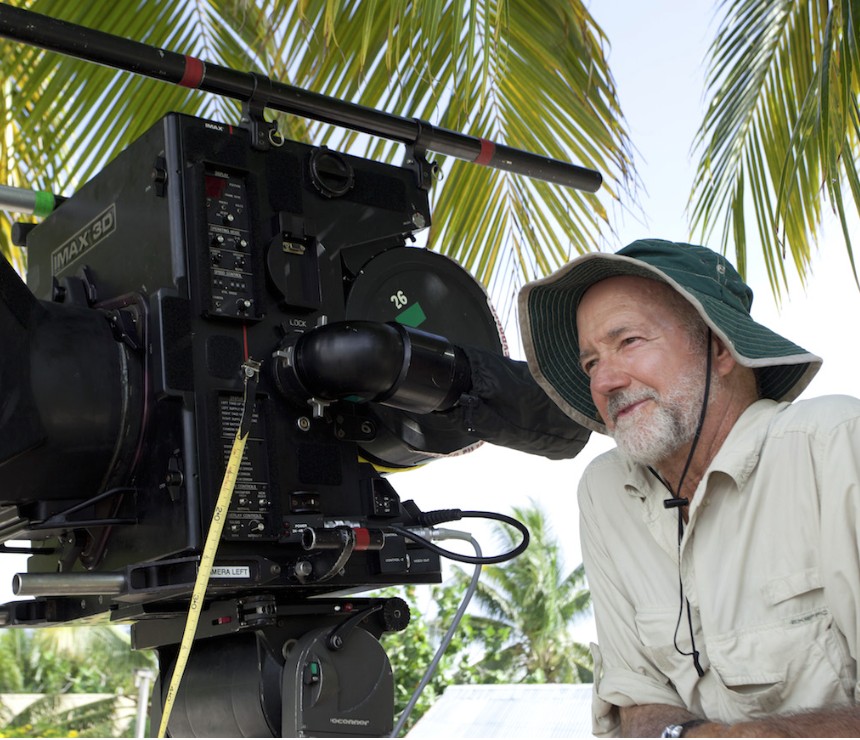
FOUNDED: MacGillivray Freeman Films dates to the 1960s, when Greg and his friend, Jim Freeman, started collaborating on surfing films.
LEGACY LEADERSHIP: The pair started out when they were both teenagers.
HQ: Laguna Beach
OC SIGNIFICANCE: MacGillivray Freeman became famous as the father of modern IMAX movies like “Everest,” “National Parks Adventure” and “To Fly!” which are still shown more than 50 years after its debut at the Smithsonian Institution’s National Air & Space Museum in Washington, D.C. It remains a family-run business with Shaun MacGillivray as president and his sister, Meghan, as vice president in charge of production, while their mother, Barbara MacGillivray, is director of research. Greg MacGillivray, who co-founded the business, is chairman and still pops in every so often. Company had made about 45 IMAX movies as of 2025, helping define the modern large-format documentary category. It’s providing a film for the Flying Leatherneck Aviation Museum at the former Marine Corps Air Station El Toro. MacGillivray Freeman’s most famous IMAX film is “Everest,” which involved taking giant cameras to the top of the iconic mountain.
DEFINING MOMENT: ConocoPhillips Co. sponsored “To Fly!” in 1976. It was MacGillivray Freeman’s first IMAX movie and is still playing. Co-founder Jim Freeman died in 1976 in a helicopter crash days before premiere.
BY THE NUMBERS: Company’s IMAX documentaries generated about $1.3B in sales as of June 2025.
QUOTABLE: “I think my dad was pretty smart when he thought that he wanted to be close enough to Hollywood while not being in Hollywood. And I think Laguna Beach has an incredible creative and artistic community. And we’re excited that we’re a small piece of it.” —Shaun MacGillivray
FUN FACT: Its mountain-climbing film “Everest” became the highest-grossing giant-screen documentary of all time and helped establish the giant screen format globally. Took four years to make. During filming, eight climbers from other expeditions died in a deadly storm. The crew aided rescue efforts through critical radio communications later chronicled in the famous book and later movie, “Into Thin Air.”
