

Orange County’s where the party’s at, just ask the folks at Drunk Elephant Holdings LLC.
The Houston-born brand has joined a list of oddly named—and highy successful—beauty companies that call the area their home, including Newport Beach-based Urban Decay Cosmetics LLC and Too Faced Cosmetics LLC in Irvine.
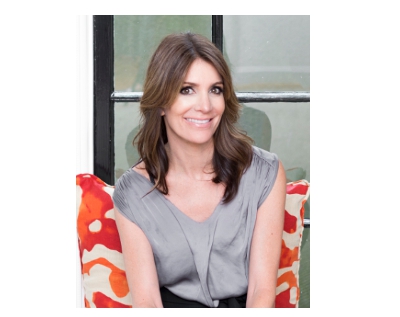
“It just kind of happened organically,” said founder and Chief Creative Officer Tiffany Masterson. “My executive team was all already out there, so it made perfect sense to open up [a second headquarters] to accommodate them.”
Masterson’s staff of about 15 includes Tim Warner, who served as chief executive at Urban Decay. He joined Drunk Elephant in the same capacity in July, shortly after it secured $8.3 million in funding from San Francisco-based VMG Partners, according to Securities and Exchange Commission filings. His colleague John Perasco followed suit and was hired as senior director for digital.
Another Urban Decay transplant is Kat Miller, who’s now director of regulatory affairs at Drunk Elephant. The brand’s chief financial officer, Lauren Barrett, was vice president of finance at Too Faced. Senior Vice President of Sales Janet Hector hails from GLAMGLOW, a Too Faced sister company.
Masterson said she was “not approaching people to come work for Drunk Elephant” but to “ask their opinion on who they believed was really good.”
“A lot of times it’s a mutual thing where … we’re looking, they’re looking, and it kind of works out that way,” she said.
Masterson’s based in Drunk Elephant’s office in Texas, along with the brand’s creative and marketing teams, and visits Newport Beach every other month. The skincare products—about 19—are manufactured and shipped out of Los Angeles, while Benchmark Cosmetic Laboratories in Irvine is her “chef” who helps mix the ingredients she preselects.
“I think it’s a huge advantage that I’m not a chemist, because I’m choosing ingredients based on what’s nutritious for the skin,” she said, adding that a chemist might add silicone to give the formula “a better texture” or dye “to make it prettier, or they might choose essential oils and fragrance to make it smell better.” She’s blacklisted those ingredients, even though they aren’t toxic or controversial. According to her research, some can irritate the skin or prevent it from fully absorbing the beneficial ones, so she skipped them.
Her philosophy has set Drunk Elephant apart from the rest of the products crowding the shelves at Sephora, and into a category she calls “clean clinical.” The move coincided with an increase in consumers’ demands for stricter transparency from beauty brands—less Photoshop and small print, more bare faces, sustainability and ethical treatment of workers.
The cash register appears to support the business plan. Masterson, mom to four, launched the company in late 2014 after dabbling in sales of imported soap. By 2016 Drunk Elephant became one of the fastest-growing skincare brands at Sephora. This year it’s on track to reach $100 million in revenue, according to inside sources.
Masterson’s plans for Drunk Elephant include expansion to the United Kingdom and Singapore, and keeping a tight grip on distribution—the products aren’t available at independent boutiques or department stores. Its retail partner in Australia is Mecca, while Paris-based Sephora handles sales for the North American market. The brand is also available online via its e-commerce site and Amazon.com.
“I’m not in a hurry at all. We always had the brakes on, and I was just not interested in exploding,” she said. “I’m really more interested in spreading our message the right way, just staying in our own lane and being our own brand and helping people.”
The same can be said of Drunk Elephant’s staff, according to Masterson.
“They’re not cocky, competitive people,” she said. “They’re people who can recognize a good idea, and of course we’re being well-received, we’re doing well as a brand. But at the end of the day … you have to have a culture that is positive and kind and inclusive, and I’m happy that we’re having fun. There’s no sense of competition in Drunk Elephant … We don’t sit around talking about other brands or how to be No. 1, how to compete, or how to one-up somebody … And it’s a very flat organization—it’s not like there are higher ups and people down here, it’s more like we’re all in this together. And I think those core values are what makes this company really tick.”
Influence
VMG Partners owns a minority stake in the company, along with blogger and founder of the Man Repeller site, Leandra Medine. The investments are likely the last Masterson takes in.
“If we ever do anything with this company again it’ll be to sell it,” she said. “I would stay with it, of course, but we have no plans to do that right now. We’re not even talking about it.”
There was some talk about Estee Lauder Cos. Inc. and L’Oreal USA Inc. pursuing the brand as it became popular at Sephora, but nothing came of it, according to Women’s Wear Daily. It wouldn’t have been the cosmetics giants’ first deals in OC—Estee Lauder bought Too Faced in late 2016 for $1.5 billion, while L’Oreal acquired Urban Decay in 2012 in a deal estimated at $350 million. Both deals came after Too Faced and Urban Decay got equity partners.
So what’s with the name Drunk Elephant?
Apparently, it’s “rooted in a myth that says elephants love to eat the fruit that has fallen from Marula trees, where inside their very large tummies, it ferments, making the elephants drunk.”
Masterson, a fan of Marula oil, ran the name by several friends, and despite a few objections, decided to keep it.
She told InStyle, “I knew that adding an edgy vibe would create curiosity and attract attention.”
