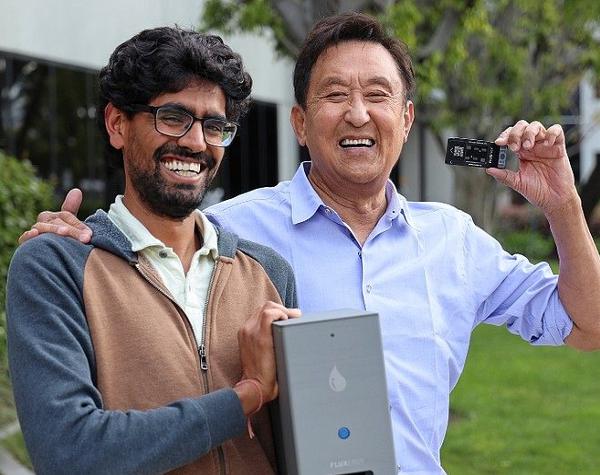
Fluxergy Inc., which developed a one-hour test for COVID-19, is looking for a few good investors for its Series B round by the end of the year.
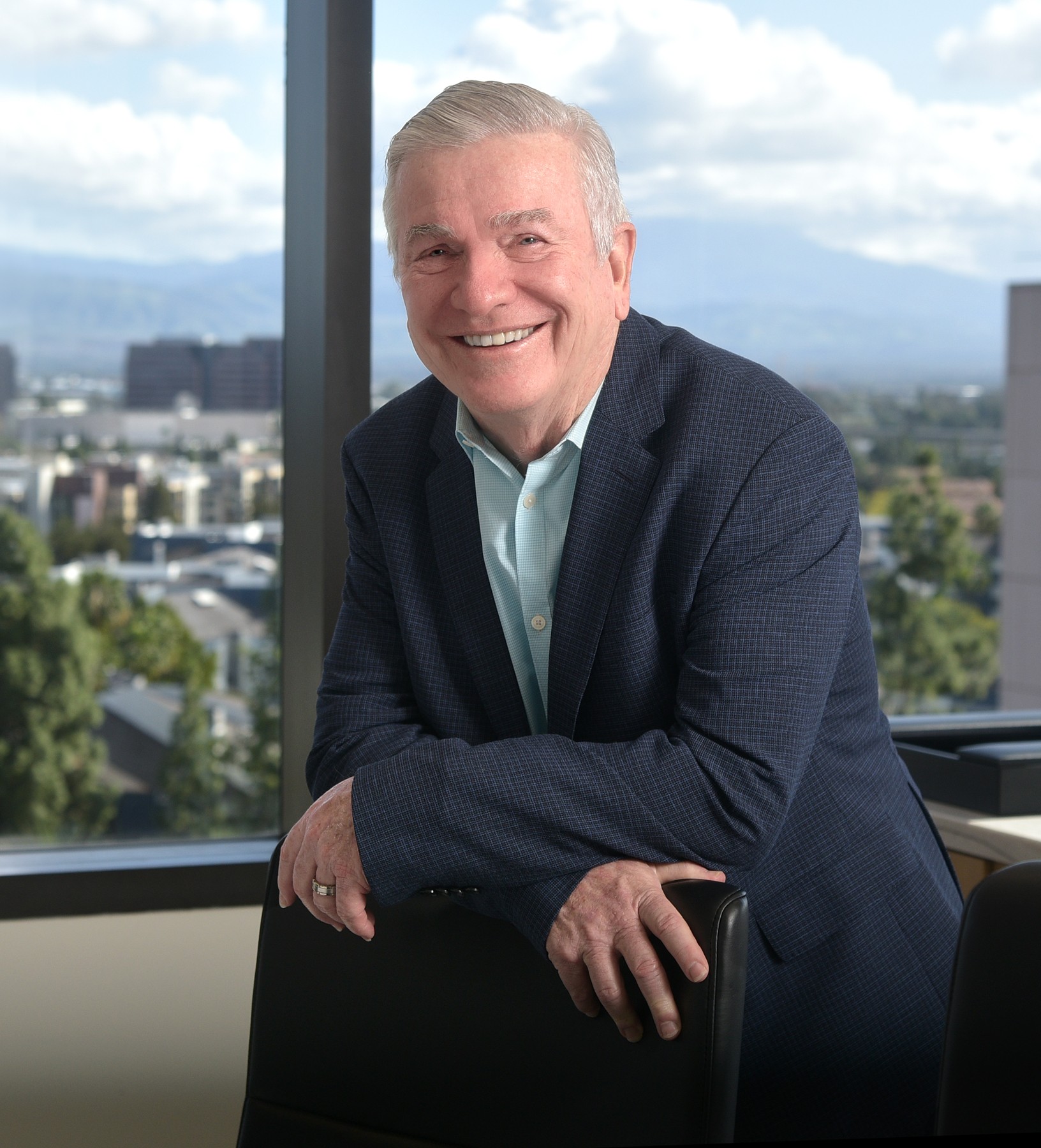
The Irvine-based diagnostics company last year received a $30 million infusion from John Tu, who runs Fountain Valley’s Kingston Technology, one of Orange County’s largest private companies with annual revenue approaching $13 billion.
His total investment thus far in Fluxergy is about $50 million. Tu’s son, Jonathan, is Fluxergy’s co-founder and chief financial officer.
Tu and Kingston co-founder David Sun rank high on this week’s OC’s Wealthiest Special Report, each with a fortune the Business Journal estimates at around $6.2 billion (see page 39).
In the past year, Fluxergy has completed its move into a 20,000-square-foot facility at 15 Musick, near the edge of the Great Park Neighborhoods. It now has more than 65,000 square feet with its operations spread across a portion of five buildings, all within walking distance of each other. Fluxergy in 2020 grew its workforce nearly 90% to 75.
Fluxergy was launched in 2013 to provide testing of horses.
When the pandemic struck, co-founder and President Tej Patel realized Fluxergy’s system—an analyzer device about the size of a small desktop personal computer—could be used for much more pressing needs helping doctors on the front line quickly identify individuals carrying the COVID-19 virus.
In March, Fluxergy announced that it obtained CE marking for its one-hour COVID-19 RT-PCR test, to use by healthcare professionals as an in vitro diagnostic (IVD) for the detection of the coronavirus. The CE-mark allows Fluxergy’s testing platform to enter the European Union market and any other markets that accept CE-marking as valid regulatory approval.
The company earlier this month also won approval to sell its product in the United Kingdom.
Now, it’s waiting for emergency use authorization for its analyzer’s software, which requires additional inspection by a specialist at the Food and Drug Administration, Chief Commercial Officer Ali Tinazli told the Business Journal last December.
While COVID-19 might be ebbing in the U.S., Fluxergy is expecting a demand from poor countries where the pandemic may last another two to three years.
Potential environments for rapid testing applications include emergency rooms, outpatient procedures, urgent care, workplace screening, mobile testing, community level testing settings, school reopenings, and tourism.
The company’s also studying the platform’s potential in areas such as chemical and food servicing. In recent months, it has begun sending its horse tests to veterinary companies around the world.