

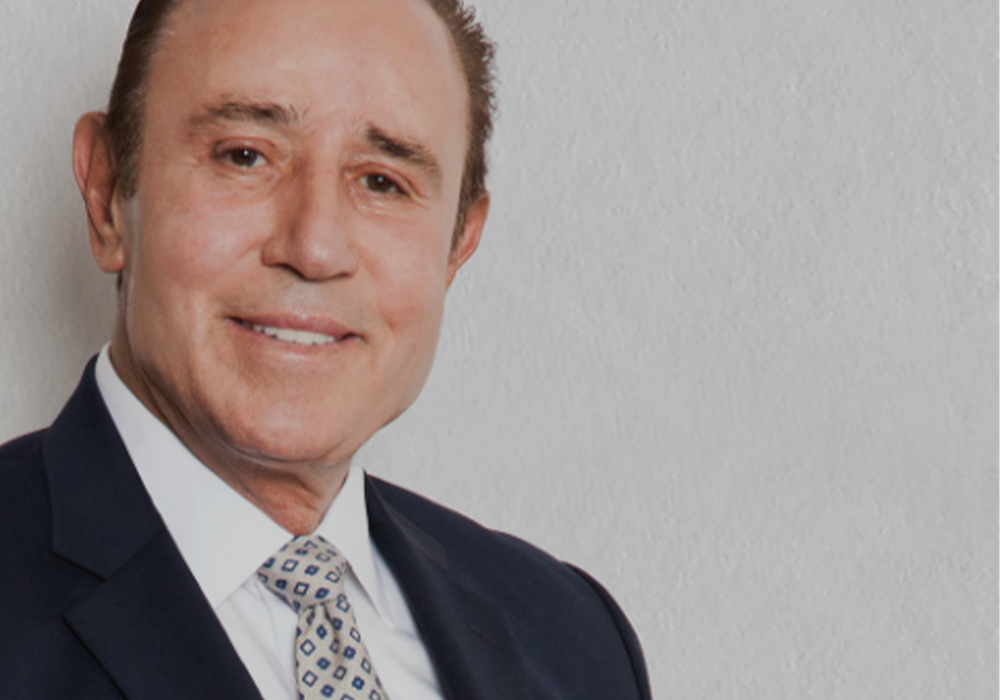
ZO Skin Health of Irvine is making a play to become the market leader in physician-dispensed skincare.
The maker of cleansers, hydrators and a variety of targeted skin treatments believes it is the second or third largest brand in its category in the U.S., according to Chief Executive Mark Williams.
Furthermore, “we’re on the path to becoming the No. 1 brand in the U.S., and we want to become the leading physician-dispensed brand in every single country we operate in,” Williams said.
The New York-based Blackstone Tactical Opportunities last month acquired a majority stake in the skincare line on undisclosed terms. While the investment firm won’t be involved in day-to-day operations, it will provide contacts, resources and knowledge to grow the business, Williams said.
“Blackstone can open doors for us,” he said.
Adjusted, Aligned
ZO was launched in 2006 by Dr. Zein Obagi, a board-certified dermatologist who is considered a pioneer in the physician-informed field of skin health.
ZO has 207 employees, including 54 that work at its main office and research facility near the Irvine Spectrum.
The company unveiled its skincare products at Nordstrom in 2007 and had sales in 40 countries by 2014.
ZO reassessed its business and pulled its products from retail stores in 2018 in a move to make the business “100% aligned with physicians,” said Williams, who took over as chief executive and general counsel in mid-2016.
“Our products are aggressive. They’re meant to be used under the guidance of a physician,” he said.
The products address a range of concerns, from anti-aging and acne to sun protection and sensitive skin, and are often meant to be used for an extended period of time to make skin healthier.
Today, ZO products are sold through more than 10,000 physician offices and medical spas worldwide in over 100 countries.
Pandemic Pop
ZO continues to expand its footprint and expects its sales to more than double in 2020, Williams said.
“COVID has brought attention to skin health. People are shopping less, and instead relying on medical guidance to get their skin products,” he said.
The company is educating physicians through online training, rather than in-person events that Dr. Obagi frequently participated in.
ZO also launched a consumer-facing regime finder on its website, which helps consumers find skincare products that are right for them based on various areas of concerns.
In addition, ZO is experimenting with its own skin centers; the company earlier this year merged with four skin centers in Southern California, which were previously owned and operated by Dr. Obagi.
Differs from Competition
ZO competitors include L’Oreal-owned SkinCeuticals; SkinMedica, now part of Allergan Aesthetics; and Obagi Medical Products, which sold to Valeant Pharmaceuticals, now Bausch Health, for $344 million in 2013.
Obagi Medical Products, which was founded by ZO founder Obagi, subsequently sold to Haitong International Zhonghua Finance Acquisition Fund I for $190 million in 2017.
“Blackstone gives us the ability to compete with the large companies,” Williams noted, “but stay fully aligned with our physician partners.”
