

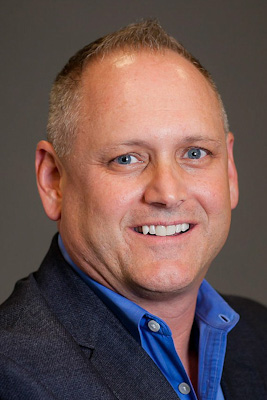
The former Real Mex Restaurants Inc. has a new name, chief executive and owner. It also has fewer locations and no significant debt.
And it has plans to regain its old glory.
“We want to be the industry leader,” said Randy Sharpe, new chief executive of the newly named Xperience Restaurant Group. “We were known that way for years.”
His big idea’s a tall order.
XRG brands, such as El Torito and Chevy’s Fresh Mex, were go-to local lunch spots in the 1990s and 2000s. By 2006, Real Mex had 245 locations, including 50 franchises, and $534 million in systemwide sales, when it was sold to Sun Capital Partners in Boca Raton, Fla., for $359 million.
But the portfolio fell on hard times in the 2008 downturn and endured a decade of decline.
The Cypress-based casual-dining operator went through several owners and C-suiters. It filed bankruptcy twice, most recently on Aug. 5, under owner RM Holdco LLC, with $297 million in debt, including first and second liens, a Wells Fargo loan, trade and vendor debt, and outstanding employee pay.
XRG has about 3,700 workers, down from 4,600 in August. Sixty are at its Cypress headquarters.
“There won’t be any further significant recoveries” of money owed to creditors, Jonathan Tibus, a managing director at turnaround consultant Alvarez & Marsal in Atlanta, who was Real Mex chief restructuring officer from August through late October, said in a LinkedIn message.
Real Mex filed for bankruptcy with 80 locations, 69 corporate and 11 franchised.
XRG starts with 67 sites: 56 corporate and 11 franchised, most in California.
Difference
Real Mex had a half-dozen brands, most with some version of Mexican food.
XRG also does, under casual-dining chains El Torito, Chevy’s and Acapulco; two higher-end El Torito Grills; one site of cantina concept Who Song & Larry’s; fine dining at Sinigual in New York and the recently renovated Las Brisas in Laguna Beach.
Brand confusion had hindered Real Mex, but Sharpe likes the lineup.
The restaurants “complement each other,” he told the Business Journal. “It’s a successful group; each will be known for something.”
Chevy’s is “Tex-Mex, family patrons” with a Northern California customer base. El Torito is “traditional, Sonoran” and stronger in Southern California. Acapulco attracts “larger gatherings.” Every chain will have “brand-specific” operations, he said.
Each offers “a little different touch,” Sharpe said.
He’s familiar with the chain, having served as vice president of operations for three years ending in April 2017. New Chief Financial Officer Ned Algeo also knows the territory; he was interim CFO at Real Mex for a year ending in June 2017.
Algeo has since been vice president of finance at Newport Beach-based telecom infrastructure firm Mobilitie. He replaces Judd Tirnauer, who’d held the Real Mex chief financial officer post for about a year.
Brian Lockwood, chief executive since March 2015, left on Sept. 7.
Z Capital Partners and Tennenbaum Capital Partners in Santa Monica held 91% of Real Mex, with others, including management, taking the rest.
After exiting bankruptcy, Z Capital, a New York-based private equity firm, is the last man standing from the old Real Mex. Z Capital owns affiliate FM Restaurants Holdco LLC, which operates under the XRG name.
Z Capital also owns Pink Taco, a hip-glitterati take on Chronic Taco’s Day of the Dead vibe that has two locations. XRG runs Pink Taco on behalf of Z Capital.
Deliverance
Z Capital paid $56 million for the company, Tibus said, up from its initial bankruptcy bid of $47 million.
The Business Journal estimates sales are about 40% of its 2006 height of more than $500 million. As of August, 91% of revenue came from its casual chains—48% El Torito, 32% Chevy’s and 11% Acapulco—the other restaurants kicking in the balance.
Sharpe is seeking to get more sales from other sources.
“Guests’ habits have changed,” he said. “Twenty percent of the industry is off-premise,” meaning sales from delivery, to-go orders via apps, and catering.
Sharpe said XRG will cater through a third-party company and deliver food via GrubHub, DoorDash, UberEats and Postmates. It also plans to develop app-based ordering.
“We have to make sure we’re available for our guests,” he said.
Initiatives will take shape in “the next 30, 60, 90, 120 days,” said Sharpe, who’s been on the job for two weeks.
He was most recently chief executive of Romano’s Macaroni Grill for about 16 months, including during the Denver chain’s four-month bankruptcy.
