

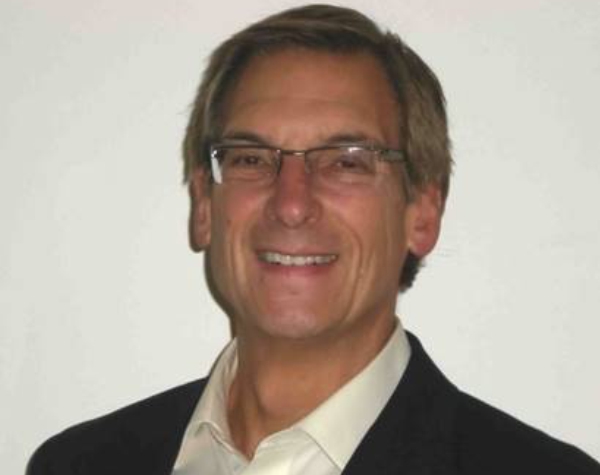
The Orange County chapter of the Tech Coast Angels, the area’s largest network of investors in early-stage companies, has named David Friedman president for a two-year period.
Regarding the new gig, Friedman said he would continue to focus on deal flow; member enrollment and growth, with a focus on diversity; events and educational programs for members; and brand building for the organization.
“Hicham Semaan (now president emeritus) did a great job; he got our membership over 100 and got us started on our first chapter fund. We’ve already made two investments and we’re keeping the momentum going,” said Friedman, who served as vice president at TCA’s OC chapter from 2018 to 2020.
The OC chapter of Tech Coast Angels is one of five chapters in Southern California; they invest in a range of industries, including consumer goods, data storage, social networking, healthcare and organic agriculture.
Typical investments run in the $100,000 to $1 milllion range. Tech Coast Angels as a whole invested $13.7 million in 28 deals in the first half of 2019; the organization declined to comment on figures for the individual chapter.
Virtual Focus
Friedman said the chapter had 104 members as of April 1, with about 60 invested in the chapter fund, and noted increased participation among members, particularly with its new virtual operations amid the coronavirus. The organization usually hosts events out of The Cove at UCI Research Park.
“We’re open for business. We have five deals pending in the fund; six in due diligence; seven queued up for screening; and 15 or 16 companies going into pre-screening.”
With national restrictions and market upheaval in recent weeks, TCA has moved to an online model, similar to its existing virtual model for outside area investors, which Friedman launched some three years ago, and plans to keep making investments.
New Leaders
In addition to Friedman’s appointment, the organization named Lisa Walker vice president. Walker joined TCA in 2018. She is a marketing executive and adviser to Pasadena’s charter plane upstart Float Shuttle Inc.
Among Friedman’s new moves, he established a president’s council with roles for partnerships, and events and education; Volker Huther and Eelco Niermeijer have filled these positions, respectively.
The new positions have common goals: both aim to increase brand awareness and find new deals through local relationships and events that bring investors and entrepreneurs together.
“We live in one of the best parts of the country, and it has an incredible amount of potential for entrepreneurship. Now we need to tap into the increasing number of organizations [supporting] innovation to scale,” Friedman said.
Additional members of the president’s council include Semaan; Executive Director Tony Sarris; OC Fund Manager Jim Pickell; Med Armanious, who manages memberships; sponsors manager Eric Hsiao; and Thomas Lee, chair of medtech and life sciences committee.
Fund Moves
In January, the Business Journal reported on the TCA OC 20 Fund, which is targeting investments in 100 to 150 companies in 10 years, with approximately $30 million invested over that time, distributed to eight to 20 companies a year.
Since then, the fund has closed two related investments: Laguna Hills-based Insight Medical Systems Inc., a developer of an augmented reality visualization tool and surgical headset for orthopedic procedures (see story, page 10), and video surveillance and cybersecurity firm Razberi Technologies Inc. in Texas.
New members continue to contribute to the fund, and neither Friedman nor Pickell anticipate a slowdown in fund deals despite current world events.
“There might be a reduction in straight deals … but the good news is that a lot of people have contributed to the fund. If you take the longer term view, and you invest in a company that is in private markets, where you won’t see an exit for three, four, five years anyway, you’ll ride through,” Friedman said.
Pickell added, “A fund is a great way to get diversification across multiple industry segments and companies. Invest in a fund for three years, and you’ll have 30 to 45 companies in your portfolio. That’s next to impossible to [accomplish] for an ordinary angel. And all the data suggests that a portfolio of that size results in better returns.”
