
In the rush for environmentally friendly cars, hydrogen proponents have often been overshadowed by the fanfare over electric vehicles.
Irvine-based FirstElement Fuel Inc., which develops and builds hydrogen fueling stations, has been aiming to change that.
The company recently scored a $105 million addition to its financial war chest, with money slated to help build out its True Zero network of hydrogen fueling stations to power the emerging fuel cell technology.
It’s the latest big-dollar funding round announced to date for the company, which was founded in 2013 and has attracted a range of notable backers since its inception, including Toyota and American Honda Motor Co.
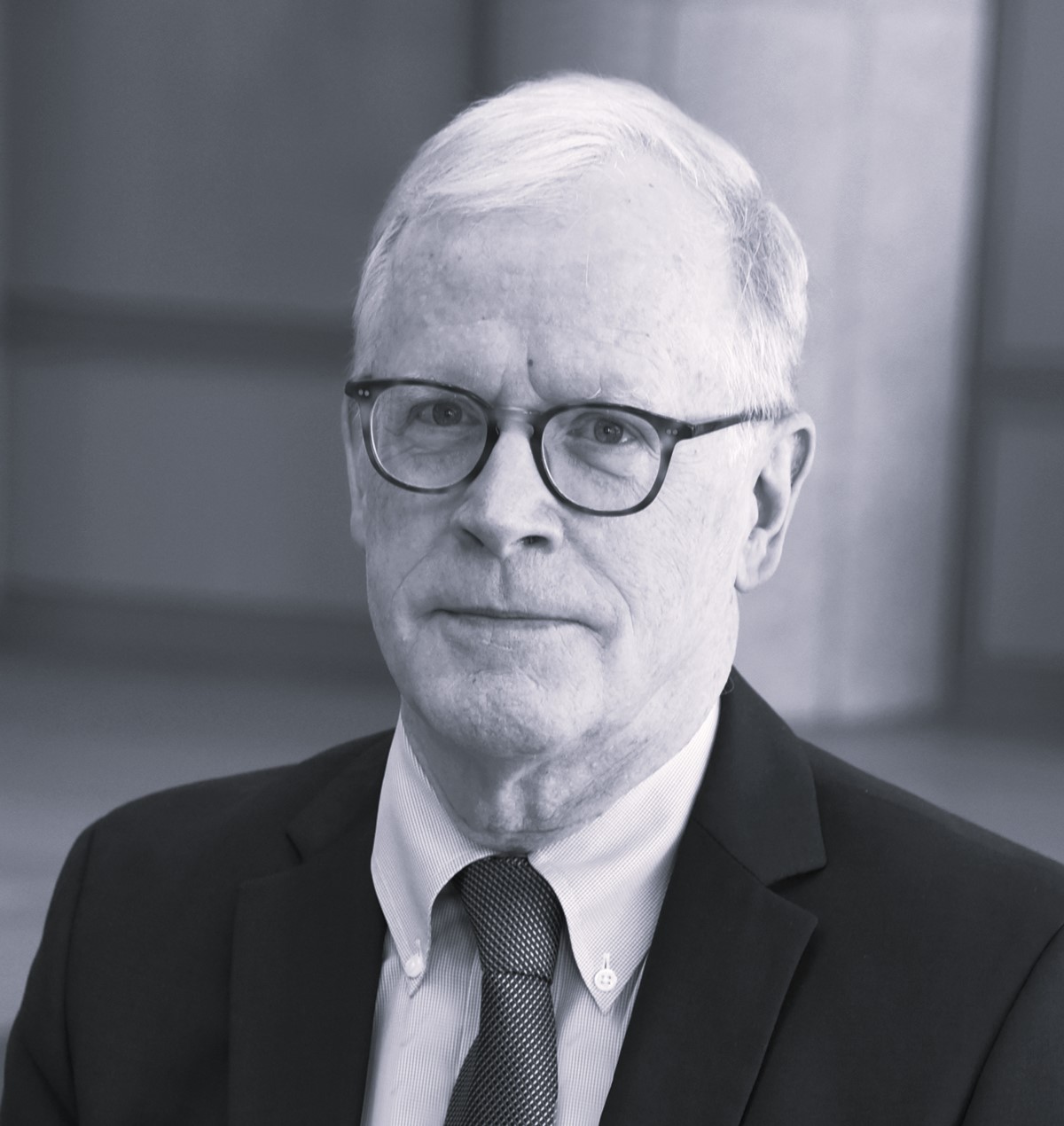
The company has raised a total of $370 million to date, founder and CEO Joel Ewanick told the Business Journal last week.
The privately held company calls itself the “largest retail hydrogen station network in the world.”
Building Network
FirstElement says it is executing on its plan to build out its hydrogen network in the state from 31 True Zero stations to 80 stations by 2024.
At least 12 of the 80 stations will be capable of refueling heavy-duty trucks in addition to light-duty cars.
“What we need to do is just keep our nose clean, do our jobs and open stations,” Ewanick said on Nov. 9. “This is a transition that is going to go on for decades.”
Ewanick knows the auto industry well. He previously served as General Motors’ vice president and global chief marketing officer, and before that was vice president of marketing at Hyundai Motors America.
The latest funding, a Series D round, comes from some heavy hitters, including Air Water, MUFG Bank, Nikkiso, and Japan Infrastructure Initiative.
Series D rounds are often the last funding round for a private company prior to it going public, among other potential exits.
In addition to help with the station expansion, the funds will let the company boost its headcount from 75 at present to as many as 125, Ewanick said.
Local Stations
Hydrogen has already made inroads locally, with True Zero stations at sites including Placentia, Fountain Valley, Aliso Viejo, Costa Mesa and Lake Forest, according to the company’s website.
Separately, local public transportation company OCTA has been testing zero-emission hydrogen fuel-cell buses, while the University of California, Irvine also has a hydrogen fueling station at the edge of its campus, at the intersection of Jamboree Road and Campus Drive.
“Reliable hydrogen fueling stations will be required for the successful commercialization of fuel cell vehicles,” UCI’s Advanced Power and Energy Program says on its website.
170M Miles
FirstElement opened its first hydrogen station in December 2015.
Since then, the company has led the development of these types of stations in California. It says it has opened the largest number of stations in the state, as well as the largest capacity stations in the state.
In six years, FirstElement Fuel said it has dispensed enough hydrogen into fuel cell electric cars to drive over 170 million zero emission miles, and has avoided more than 110 million pounds of carbon dioxide.
Hydrogen fuel cells combine hydrogen and oxygen, producing electricity, water and heat.
The cells “emit only water, so there are no carbon dioxide emissions and no air pollutants that create smog and cause health problems at the point of operation,” according to the U.S. Department of Energy.
FirstElement says it is unique, in offering the largest network of hydrogen stations in the world supplied by liquid hydrogen rather than gaseous hydrogen. Liquid hydrogen distribution and storage is far more efficient and is helping drive down the cost of hydrogen at the dispenser by 25%, according to the company.
Skeptic Musk
Widespread adoption of the technology remains open to question. Hydrogen faces a lack of awareness among the general public, as well as skepticism from some business leaders, perhaps most notably from Tesla co-founder Elon Musk.
Musk has previously dismissed hydrogen fuel cells as “mind-bogglingly stupid.” He is reported to have called them called them “fool cells,” and a “load of rubbish,” claiming “success is simply not possible.”
Ewanick declined to comment on the skeptics to his technology.
The CEO does say there is room for both hydrogen- and electricity-powered cars, as well as heavy-duty trucks, in the clean-air future.
“There is going to be a mix. There will be families with both” types of vehicles, he told the Business Journal. The same goes for trucks, he said.
Musk’s naysaying aside, there are plenty of backers in the company and its technology, based on FirstElement’s many partners.
FirstElement has received over $125 million in public funding from the California Energy Commission, the South Coast Air Quality Management District and the Bay Area Air Quality Management District.