Chapman University has transferred control of its Irvine-based Brandman University to the University of Massachusetts in a deal that should boost the Orange-based school’s endowment by more than $100 million.
Neither party characterized last week’s transfer of the Irvine university, which provides accredited campus and online courses to working adults, as a sale, given Brandman’s nonprofit status.
Still, big money is involved. Brandman counts annual revenue of nearly $140 million.
UMass Global, a newly launched nonprofit affiliate of UMass that will deliver expanded online education opportunities to adult learners across the nation and around the globe, will make $96 million in fixed payments over a nine-year period to Chapman University as part of the deal. Most of the payments will be made beginning in late 2026.
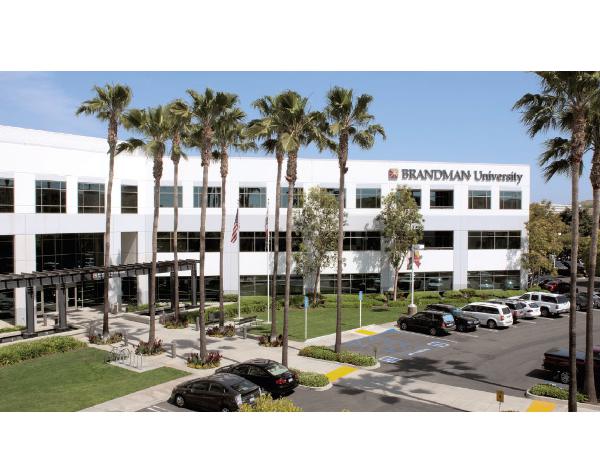
In addition, Brandman’s three-story, 120,000-square-foot headquarters building in Irvine, which sits on 4.6 acres of land at 16355 Laguna Canyon Road, will be transferred to UMass Global in consideration of $37 million to be paid to Chapman over time with interest.
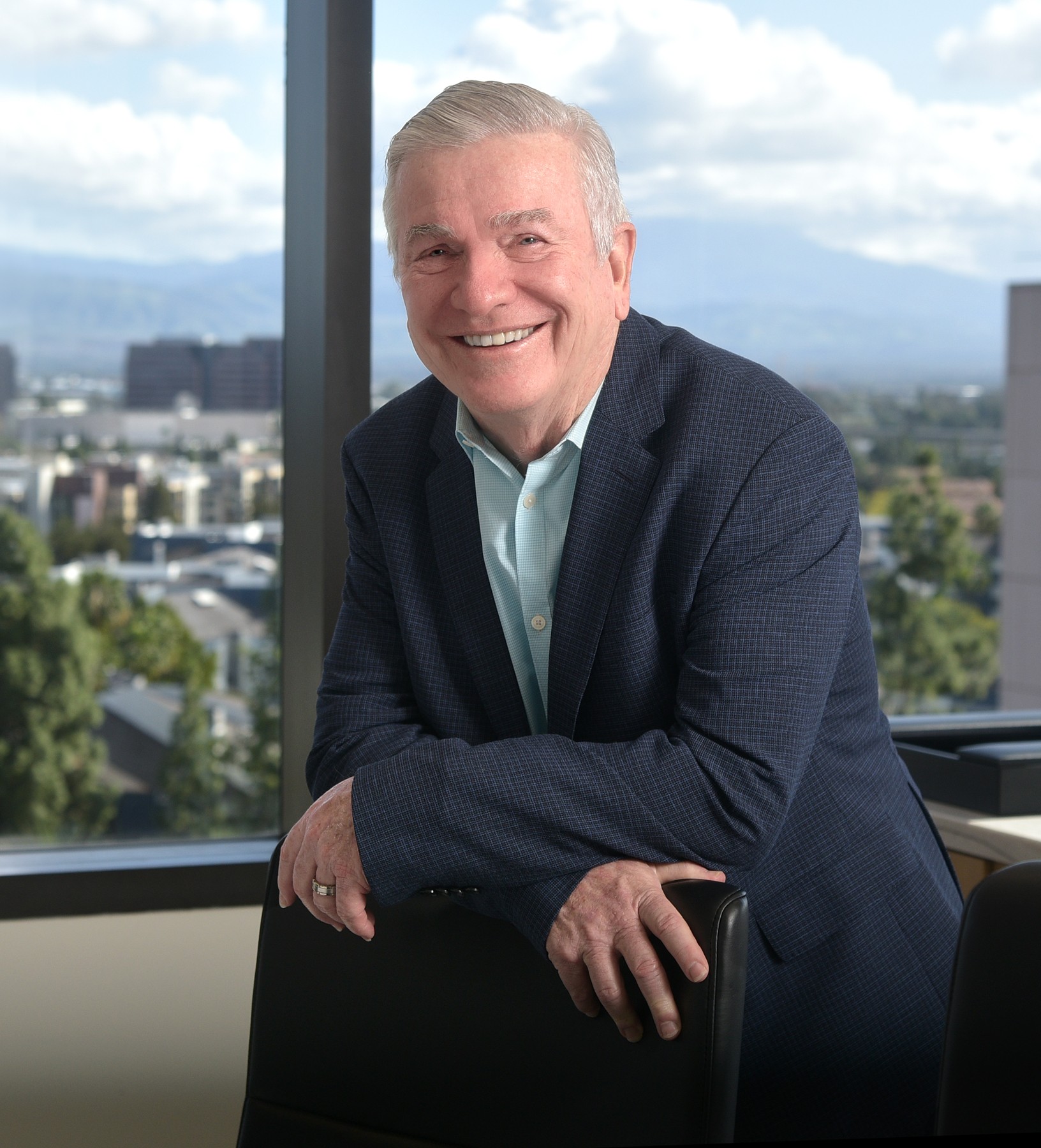
“We’ll use the revenue to grow endowment—it’s one of the most important things that I can do,” Chapman President Daniele Struppa told the Business Journal.
22,000 Students
While Chapman’s endowment, currently more than $500 million, will benefit, the transfer culminates 15 years of discussion among Chapman’s top executives on what to do with Brandman.
The University of Massachusetts, which has 75,000 students and 23,000 employees at five different campuses, will now add the 22,000 students at Brandman.
This newly finalized affiliation officially launches UMass Global, officials said. Under the deal, Brandman’s faculty and support staff, including chancellor Gary Brahm, will now work under the UMass Global name.
“UMass Global will be a trusted partner to learners and employers by building on Brandman’s award-winning model,” University of Massachusetts President Marty Meehan said in a statement.
Marine History
Brandman’s origins date to 1958, when Chapman began providing on-base classes to active-service members of the military. The school, originally named Chapman University College, had its first campus at the El Toro Marine Corps Air Station, which was shuttered and is now the site for the Great Park Neighborhoods in Irvine.
By the time Struppa arrived as provost in 2006, he said Brandman would have a tough time growing under its structure at that time. Eventually Chapman established it as an independent university named Brandman after a donation from the Joyce and Saul Brandman Foundation.
Brandman caters to working adults both online and at 25 physical campuses in California and Washington, including six at military bases.
Chapman, meanwhile, is focused on small in-class education of mostly younger full-time students, many of whom live on campus.
Chapman is also expanding from its traditional focus on liberal arts to offer more research and degrees in fields like engineering, science, law and healthcare.
“When I became president in 2016, I mentioned our goal was to eventually grow Brandman and transfer it to larger entity that could expand its reach,” Struppa said.
2020 Partnership
After Struppa in 2019 read an article on how the University of Massachusetts wanted to expand its online presence, he contacted its officials. Last year, the two entities formed a partnership, and then formalized the transfer on Sept. 2.
UMass Global, which has already taken over the Brandman website, says it has more than 90 fields of study. It says 90% of its students work while completing a program and 56% of its graduates have children.
Students who enrolled under a UMass Global course catalog may request either a University of Massachusetts Global or Brandman diploma upon graduation. Alumni who hold a Brandman diploma may request a UMass Global diploma.
“Finalizing the relationship allows both institutions – Chapman and UMass – to truly focus on their core strengths, which for Chapman is continuing our meteoric rise as a research institution,” Struppa said. “The time is right for Brandman’s next step and UMass Global will undoubtedly be a national powerhouse in online education.”
Struppa: Online Okay but in Class Much Better
Chapman University, which is known for small, intimate classes under 25 students, was forced to go online last year when the pandemic began.
“It went way better than I expected,” Chapman President Daniele Struppa said. “I gave my faculty one week to make the transition. Everybody jumped in.”
Chapman’s enrollment took about a 3%-5% dip last year due to COVID-19. Struppa expects the enrollment this fall to bounce back to its typical 9,500 undergraduate and grad students.
Still, Struppa doesn’t plan to go back full-time into online teaching.
“While okay to use online in this emergency situation, I still feel being in the class allows you a one-on-one experience,” he said.
For example, Struppa has found that students may be shy about asking questions in front of others will often approach professors five minutes before or after a class. In-person classes also permit the professors to better monitor the attention of their students then on a Zoom call, he added.
“I really like the small class format.”