BioLargo Inc. (OTC: BLGO), the largest publicly traded company in Westminster, is in the business of getting rid of bad odors at landfills.
Now it’s trying to clean up its own problems by attempting a reverse stock split, moving to Nasdaq and seeking $7.5 million in funding, according to a prospectus issued last week. Its auditor said the company may not survive.
The biggest issue facing the nearly 20-year-old company is lack of sales.
While second-quarter revenue climbed threefold to $316,000, its loss rose 40% to $3.6 million because of an increase in interest expense and research and development costs. Its cash had fallen to $651,000 as of June, down from $1.9 million at the close of 2016.
“We believe our cash position is insufficient to maintain our current level of operations and research/development, and that we will be required to raise substantial additional capital to expand our operations and fund our future business plans,” the company said in its prospectus.
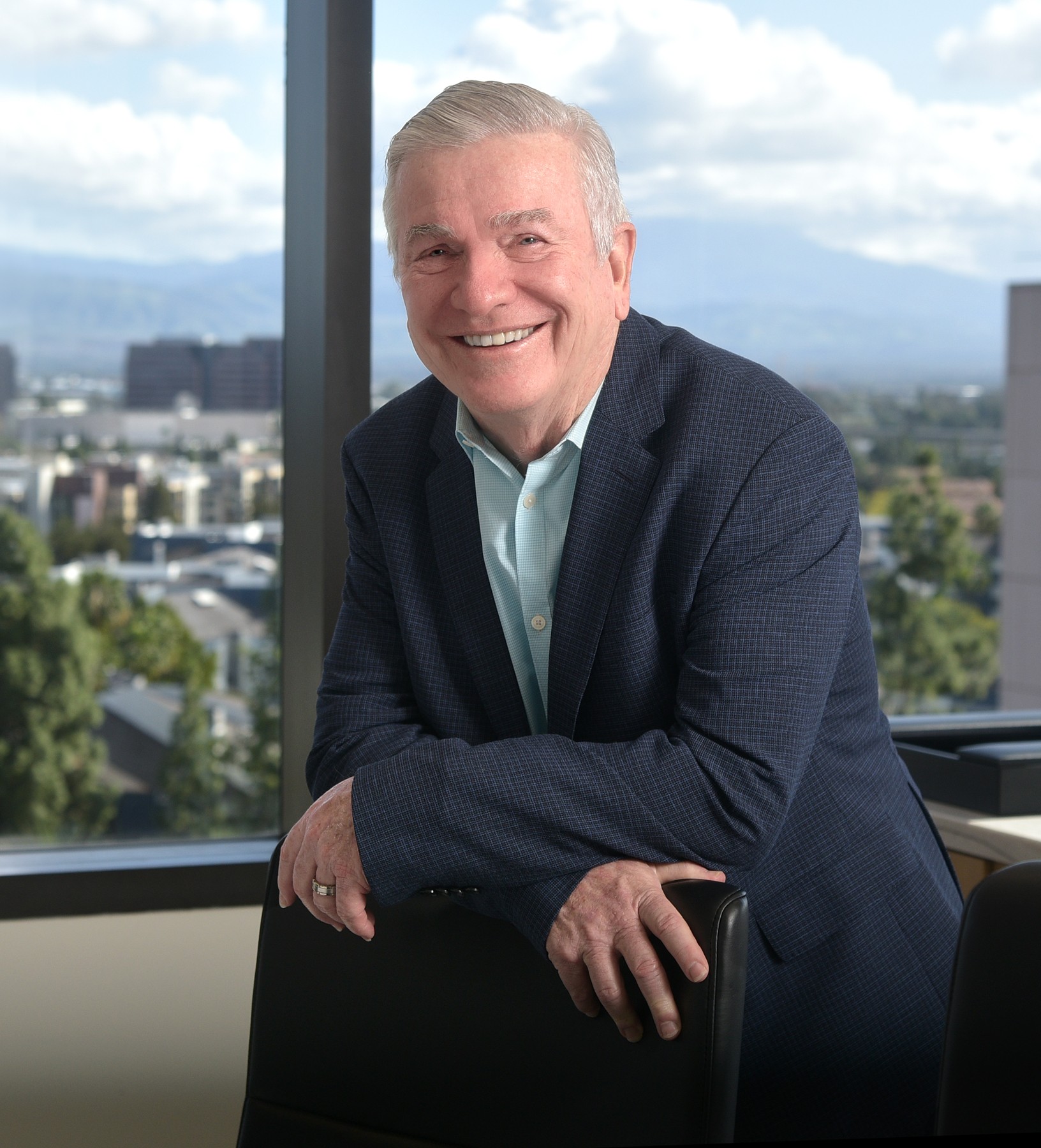
Dennis Calvert, who’s been chief executive since 2002, said the lack of cash, the need to raise capital, and auditor concerns are nothing new.
“It’s been that way for 14 years,” he said in a phone interview.
“We’ve demonstrated a unique ability to sustain operations through the ebbs and flows. We’re not fundamentally worried. It’s never been any different.”
The environmental engineering firm employs 28. Its headquarters are in a 9,000-square-foot facility near the San Diego (405) Freeway and Bolsa Avenue interchange in Westminster. It also has a research facility and offices at the University of Alberta in Canada and an engineering team in Oak Ridge, Tenn.
Company shares reached a high of about $1.80 in 2007. They’ve since steadily declined to 23 cents and an average daily volume of 88,415 shares.
It had a $32 million market cap last week following the filing.
Of the top 100 public companies based in OC by market value, it’s the only firm headquartered in Westminster, according to Business Journal data.
Odor-No-More
The company, founded in Florida in 1989, now has seven subsidiaries, including Odor-No-More Inc. and BioLargo Water Inc.
BioLargo’s prospectus said it’s driven “to make life better” with products that make water and air cleaner for a broad range of industries and applications. The company sells its products to landfills, waste-transfer stations and wastewater treatment facilities that may have odor issues.
The company has had a “13-year development cycle” and is on the verge of seeing an upswing in sales of its newest products, said Calvert, who also told shareholders in a letter last month that Odor-No-More may reach $1 million in sales this year.
“We believe the odor business has a significant opportunity ahead,” he said.
Edison Investment Research Ltd., a London-based researcher that follows 700 stocks worldwide, issued a 14-page report on BioLargo last month expressing doubts about its top product.
“Gaining momentum in this environment may be difficult,” the report said. “The company has initial inroads with some of the largest players in the solid waste industry, but these need to be further developed before broader adoption.”
Calvert, 55, has an extensive entrepreneurial background as an operator, investor and consultant, according to the prospectus.
Before his work with BioLargo, he participated in more than 300 consulting projects and more than 50 acquisitions, as well as various financing transactions and companies that ranged from industrial chemicals to healthcare management.
Kenneth Code, the 71-year-old chief science officer and a director since 2007, is the company’s single largest shareholder, owning about 16% of BioLargo. Altogether, directors and officers own 36% of the firm.
The sought $7.5 million will be used to continue research, launch products, and develop a salesforce capable of servicing national clients, Calvert said.
Reverse Split
BioLargo is attempting a reverse stock split to exchange one new share for four to 40 shares currently trading. If successful, the split could help it move to the Nasdaq, which usually requires a firm to have a $4 share price.
Reverse stock splits, while not affecting the value of the company, are usually an effort by a company to increase the price of shares, thus reducing the stigma of being a penny stock.
Wall Street investors usually view companies doing such splits as having significant problems, which is why the shares are low to begin with.
Bad Odors
The prospectus noted several issues that don’t smell too good for BioLargo.
For example, Code and Calvert received a combined 2017 salary of $577,206, higher than the company’s revenue for the year.
Calvert said the pair typically convert half of their annual salaries to buy shares and then don’t sell them.
Its liabilities more than doubled last year to $4.9 million, mostly as a result of a sevenfold increase in convertible notes payable as the company raised cash.
BioLargo’s registration statement listed many occasions in recent years when it issued shares to pay for salaries, contractors, legal advice and even rent. Even its directors, who are paid $60,000 each, are usually compensated with shares.
It has 118 million common shares outstanding and a $107.3 million accumulated deficit, according to the regulatory filing.
While it said it has 16 patents, the prospectus suggests competitors can copy its techniques.
“All of the supply ingredients used to manufacture our products are readily available from multiple suppliers.”
Some competitors are the biggest in the industry, including Johnson & Johnson and Dow Chemical Co.
The company depends on grants, which generated $210,679 in income last year.
BioLargo said its Canadian subsidiary has been awarded more than 50 research grants from Canadian public and private entities.
Even BioLargo’s auditor poured cold water on the company’s potential.
“The company has experienced recurring losses, negative cash flows from operations, has limited capital resources, and a net stockholders’ deficit,” according to Irvine-based Haskell & White LLP. “These matters raise substantial doubt about the company’s ability to continue as a going concern.”
Perhaps the most ominous warning came from BioLargo itself.
“We have a limited operating history and have never generated any significant revenues, a history of operating losses, and expect to incur additional losses in the future,” the prospectus said.
The company does have some fans. It’s been able to raise $24 million to date, Calvert said. He also noted that small-business incubator OCTANe named BioLargo “the best horizontal disruption” company last year.
“What we represent is true innovation and disruptive products that will secure dominant places in the market place,” he said. “That’s not easy. That’s what taken so long.”
A date hadn’t been set for the reverse split and new share price. H.C. Wainwright & Co. of New York is listed as underwriter.