

A Denver-based data storage provider is set to open its second Irvine location next month as part of a major expansion plan that’s based on inroads it’s made with a number of large companies here.
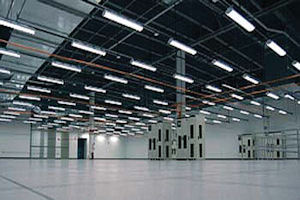
Latisys Corp. is concluding construction on the first phase of a 93,000-square-foot building on Von Karman it leased last year. The company says it will have more local space than any other rival when the new building opens.
The first phase of the new building has 38,000-square-feet rentable space, adding to a 50,000-square-foot building it occupies nearby.
When a renovation of the new building concludes, Latisys will have about 150,000 square feet of space to lease to customers here.
A lull among competitors, a surge in demand as companies seek third parties to handle storage, and a rebound in information technology spending drove the growth strategy, according to Tom Panarisi, Western regional vice president for Latisys.
“We felt like no one else in this market is expanding,” he said. “The investments we’re making in this market are significant.”
Latisys spent more than $18 million for a 13-year lease and to gut and upgrade the building in the first of three phases for the project. The total tab for the upgrades and rent will likely come to between $50 million to $60 million when all three phases are completed.
Latisys provides what’s called colocation and managed services for large corporations. It runs warehouses full of servers and other data storage gear and contracts with companies to store their databases and programs.
The company handles monitoring, cooling and security for the data centers, allowing companies to outsource the work and cut costs.
Monthly services cost anywhere from $700 a month on the low end to six figures for large companies with big storage needs.
The new Irvine location already has an anchor tenant and dozens of others, according to Panarisi.
Latisys wouldn’t identify the anchor tenant but said it’s one of the largest chipmakers in Orange County.
The other tenants include: Toshiba America Information Systems Inc. in Tustin; Cypress-based Mitsubishi Electric & Electronics USA Inc.; First Foundation Bank in Irvine, the county’s fifth-largest savings and loan based on deposits; and Los Angeles-based Guess? Inc.
“The demand has been better than what (we) were expecting,” Panarasi said. “If you want to grow you have to expand your infrastructure.”
The expansion will mean more hires. By the end of the year, Latisys will have about 190 employees companywide, with some 50 in Irvine. It expects to hire about 25 people here in the next 12 months, according to Panarisi.
Privately held Latisys sees about $70 million in yearly revenue.
Its big competitors in Southern California are AT&T Inc. and Missouri-based Savvis Inc.
AT&T declined to disclose specifics on its local presence. The company would only say it operates 38 data centers across the country, according to spokeswoman Georgia Taylor.
Savvis is a leader in the data center market with about $870 million in yearly sales.
It operates an 85,000-square-foot building in Irvine and anticipates “significant expansion” in the Southern California market in the next three years, according to Savvis spokesman George Csolak, who didn’t provide any more details.
Latisys was established in 2007 as Managed Data Holdings LLC.
A handful of seasoned technology executives backed by private equity money started the business with a plan to buy up data centers across the country.
They initially raised some $100 million from Great Hill Partners in Boston and New York-based Catalyst Investors.
The holding company aimed to pick up small, independent providers of data center outsourcing services that could quickly be integrated.
It was looking for companies to roll up in a market that was shaking out.
The company got its first data center with the acquisition of Irvine’s InteleNet Communications Inc.
It later bought Data393 Holdings LLC in Denver, Chicago-based Stargate Inc. and Pryme Technologies LLC in Ashburn, Va.
During that time, Latisys raised an additional $150 million in debt and other financing to fund the deals and ensure its data centers were up to speed.
