

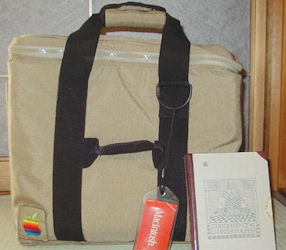
Targus Inc. rolled its first laptop bag off the assembly line nearly three decades ago, ushering in a new category of electronics accessories.
The company rode a two-decade wave of portable PC adoption to a global leadership position.
Now the Anaheim-based company finds itself in another sea change as consumers change habits—resulting in a shift from a once-conservative approach to product design into a fashion focus for users on the go in a bid to stay relevant.
“We see this as an evolution,” said Al Giazzon, Targus’ vice president of marketing and communication.
Soft Goods
The company remains one of the biggest makers of tech-related soft goods in the world, with an estimated $530 million in annual sales of laptop bags, backpacks and other accessories for consumer electronics, including hard goods such as laptop cooling systems and docking stations.
Targus is No. 22 on the Business Journal’s list of the biggest privately held companies based here, the subject of this week’s special issue (see list, page 14).
The company’s transition has meant finding artisans with cut-and-sew backgrounds as the company released more cases for tablets, a segment it first entered about three years ago with the launch of Apple Inc.’s iPad.
In other instances, Targus sought out experts who specialize in molded plastics, glues and leather goods.
Its core product—laptop bags—had undergone a makeover from black and functional models to multicolored, lighter and thinner versions—the latter two hallmarks of the modern consumer device.
Tablets, S4
Targus recently introduced a product line for Samsung’s Galaxy tablets and S4 smartphone, one of the hottest selling brands on the market.
The company had to move into mobile accessories to meet growing demand.
Smartphone sales in 2012 topped 717 million units, up 44% from 2011, according to Framingham, Mass.-based market researcher International Data Corp.
Stamford, Conn.-based Gartner Inc. predicts that global sales will near 1 billion this year.
Global tablet sales skyrocketed 78.4% in 2012 past 128 million units. IDC forecasts tablet sales to eclipse desktop PC sales this year and laptops and ultrabooks in 2014.
“When we saw the growth of tablets, we went out to bring in resources, product management and design,” according to Giazzon, “and looked around for companies to fill any voids we had.”
Sena Cases
That sparked last year’s acquisition of Sena Cases in Irvine, its first buy since 2000, when it acquired Roundhouse Inc., a Rancho Dominguez-based supplier of CD and DVD-ROM carrying cases and storage systems.
Sena added marginal revenue—about $20 million annually—to Targus’ top line but brought inroads in the smartphone market, a key partnership with Apple, and a luxury line of smartphone and tablet cases. The luxe goods are handcrafted from calfskin and sold under New York-based apparel maker Michael Kors USA Inc.
Apple stores and online sales account for about half of Sena’s revenue.
The growth of mobile devices also has changed production cycles and demands at Targus’ 70,000-square-foot headquarters in Anaheim and at its network of contract manufacturers in Asia.
Much of the design work and color schemes for laptop bags are handled well before product roll-out, but in the close-guarded world of smartphone and tablet makers, Targus doesn’t get nearly as much lead time. Not to mention the ever-changing dimensions of new smartphone models, which need exact molds for protection and ease of use.
“Our retail partners are looking for our products as soon as the phone is available,” Giazzon said.
Targus has distribution points in 100 countries and 45 offices across the globe.
It employs about 550 companywide, with some 175 in OC.
Its headquarters include a design center and a distribution operation that sends goods to large retailers such as Walmart, Best Buy, Staples and Target.
The company also counts on distributors such as Santa Ana-based Ingram Micro Inc. and other large and regional technology resellers that also handle accessories.
Smartphone accessories have led Targus into new distribution channels, such as wireless carrier outlets and college book stores.
Earlier this year, the company debuted a touch pen at the International Consumer Electronics Show that allows users to swipe through applications on older laptops running Windows 8.
Targus developed the product to help bridge the old with the new, an ongoing challenge it is grappling with on numerous fronts, including its own operations and strategy.
Giazzon said, “The impetus for that was looking at the impact of tablets on how we use products.”
