
When Brian Malliet first entered the industrial real estate sector, he wanted to do something different to stand out.
While colleagues and national companies focused on landing the big fish to fill large warehouses, Malliet saw an opportunity in leasing to mom-and-pop businesses in smaller warehouses.
“Most of the national companies weren’t covering small bay industrial because the commissions were a lot smaller,” Malliet told the Business Journal.
“The big companies didn’t give it focus. They focused on the bigger space because the commissions were larger. So, I cut my teeth and built my business as a broker off of the small bay product, doing leasing the first three years, and then moved over to the capital market sales.”
Forty years later, Malliet is now the CEO, chief investment officer and founder of BKM Capital Partners, a company that specializes in operating and managing light and medium-sized industrial warehouses.
The Newport Beach-based company, founded in 2013, recently passed 100 multi-tenant light-industrial properties nationwide, controlling 103 properties that serve thousands of tenants.
BKM’s portfolio has about $3.3 billion in AUM and spans more than 14 million square feet across 20 U.S. markets, including California, Washington, Oregon, Arizona, Nevada, Colorado, Texas, Georgia and Florida.
BKM is an operating partner for Kayne Anderson, a Los Angeles-based alternative investment management firm that focuses on real estate, credit, infrastructure and energy investments; it has $40 billion in AUM.
Malliet intends to accelerate BKM’s growth by doubling its properties.
“The next chapter for us is to hit 200 — and do it in three years instead of 10 years,” Malliet said.
A ‘Niche’ Property Sector
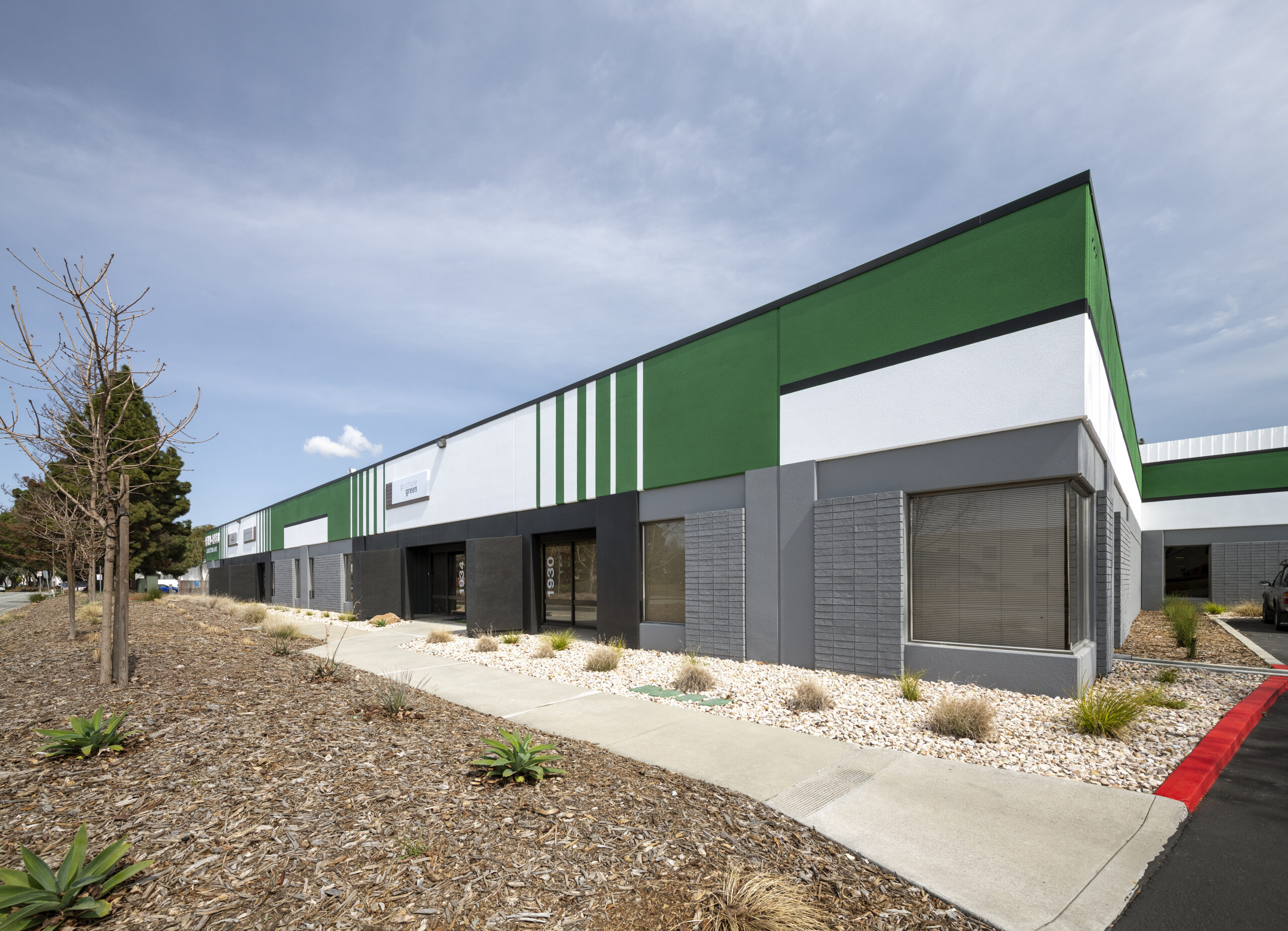
Light industrial or “small bay” properties are usually low-rise business parks, less than 200,000 square feet, and split into many smaller suites, ranging from 1,000 to 15,000 square feet, used for light manufacturing, distribution, service-oriented and last-mile logistics operations.
Instead of one large tenant leasing an entire warehouse, these properties can host 20 to 200 tenants, said Malliet.
The firm also invests in “mid-bay” properties, which are 200,000 to 500,000 square feet and have fewer, larger tenants.
“We’re basically the apartment space within the industrial sector,” he said.
Tenants often include mom-and-pop shops, multi-generational family-owned manufacturers, service contractors, logistics providers and e-commerce businesses.
Investor interest in this area has grown quickly.
A February 2026 Private Equity Real Estate (PERE) industrial logistics report with investment firm Kayne Anderson Real Estate executives found vacancy rates for buildings under 100,000 square feet at about 5%, compared to roughly 10% for large “big box” warehouses.
Limited new construction near population centers has helped push rents up while keeping supply tight.
“Investors are taking a more nuanced approach in how they look at niches within the broader industrial asset class, and it is clear that small-bay light industrial will become a key area for investment,” said Nishant Bakaya, a senior managing director in Kayne Anderson’s real estate group.
The report noted that smaller suites bring operational challenges. Unlike a single tenant with a long lease, multi-tenant business parks require ongoing leasing, turnover and maintenance.
BKM completed roughly 650 leases last year and turned over about 430 spaces, he said, often preparing and re-leasing units within weeks. It has more than 5,000 tenants.
“The biggest challenges aren’t really the types of tenants we work with — it’s the sheer number of tenants we manage,” Malliet said.
Malliet said that most decisions are made locally rather than at corporate headquarters. BKM has more than 145 employees spread across 17 offices nationwide.
Built for Small Business Demand
Malliet said e-commerce, manufacturing, innovation and technology businesses are driving up demand for light industrial space.
“We focus primarily on the small business, operator, owner, entrepreneur,” he said.
These industries have changed due to shifting supply chains and increased online shopping. And consumers’ shopping behavior has also changed since the COVID-19 pandemic, he said.
“The entire world had to learn how to become more efficient and smarter when COVID came in — of actually finding products, how to order the product, deliver the product, consume the product and now even return the product,” he said.
“And now it’s just become a natural way of how we do that. People buy three times what they need, in sizes and colors. They pick what they want, then return the other two-thirds they don’t want. And that’s just become a way of buying behavior that we have now mostly driven by COVID-19.”
According to the report, strategically placed light industrial warehouses in infill locations and proximity to customers have become more important as businesses seek to speed up deliveries and cut transportation costs.
These sites near population centers can shorten truck routes and help meet same or next-day delivery expectations.
Looking Ahead: Growth Beyond 100
While the company’s portfolio has historically been concentrated in the Western U.S., last year it began strategically expanding into eastern U.S. markets.
“This milestone underscores the strength of our operating platform and the durability of small-bay light industrial fundamentals,” Malliet said. “Our focus has been on building a disciplined, hands-on operating model that can scale nationally while staying deeply local at the asset and tenant level.”
The company plans to accelerate growth by buying larger portfolios rather than single properties. Earlier funds were $130 million and $285 million, and the latest closed at about $350 million, he said.
“So instead of buying one or two at a time, we’re buying three to five to 10 properties at a time,” Malliet said.
For Malliet, the company’s expansion mirrors the businesses it serves.
“These are the small companies that power local economies,” he said. “Our job is to make sure they have the space to keep operating — and growing.”