Wall Street likes the future plans of Pacific Premier Bancorp (Nasdaq: PPBI). It gave a thumbs down to the road map of rival Banc of California Inc. (NYSE: BANC).
Irvine-based Pacific Premier acquired Los Angeles-based Grandpoint Capital Inc. (OTC Pink: GPNC) last week in an all-stock deal valued at $641.2 million.
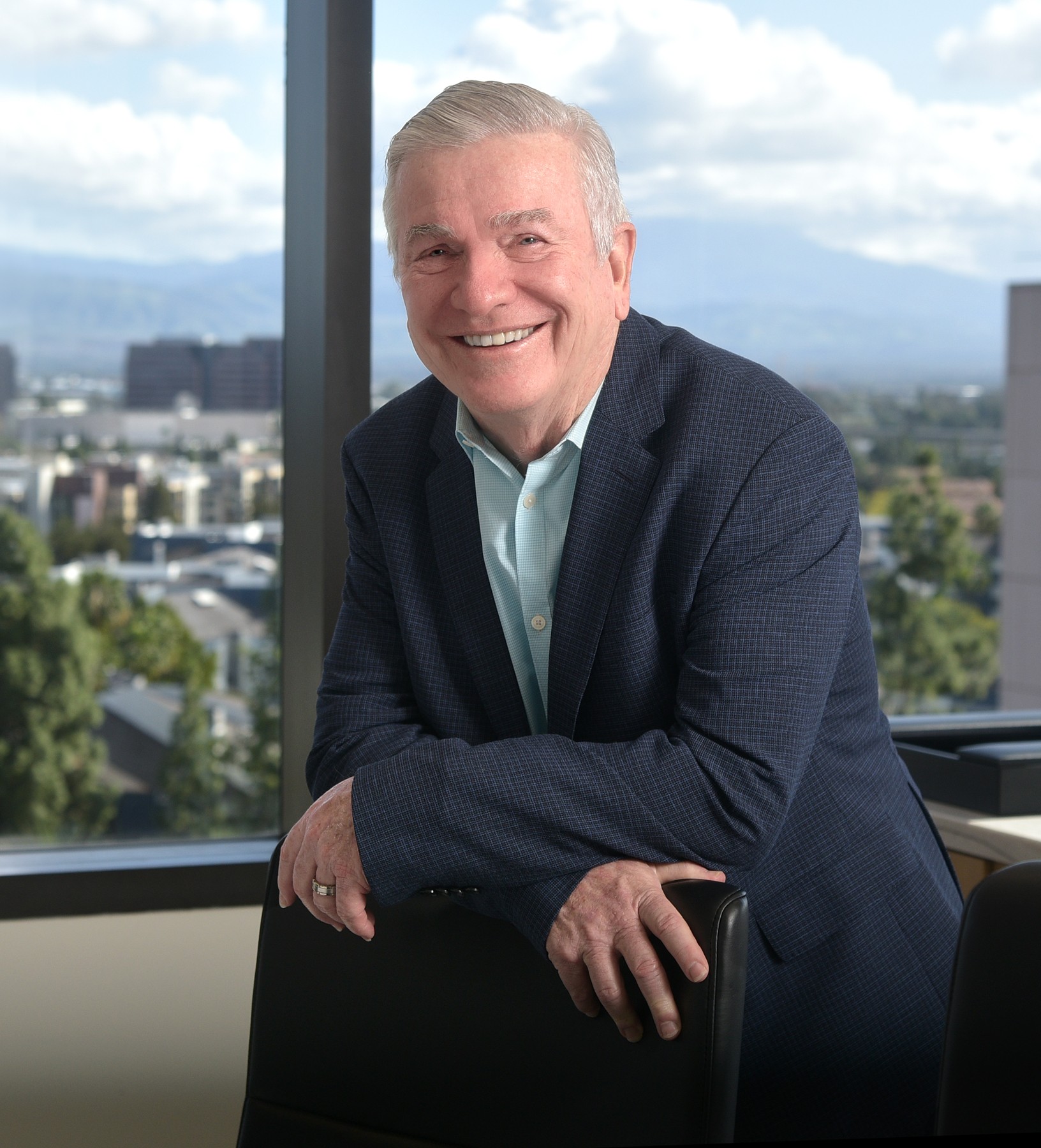
“Grandpoint is a solid business bank with a big presence in the L.A. market,” Chief Executive Steve Gardner said in an interview. “That’s something that we wanted—a quality franchise.”
Wall Street sent shares higher by 4.4% to $40.80 on the day of the announcement, not a typical share movement for an acquirer.
“This is a solid financial transaction for PPBI that also builds scale in the key Southern California market and expands the PPBI brand in the Pacific Northwest and Southwest,” FIG Partners analyst Tim Coffey wrote in a note to investors. He boosted his profit estimates for 2018 and 2019 and raised his target price to $48.
“We like the deal,” Keefe, Bruyette & Woods analyst Jacquelynne Bohlen said in her note to investors.
“The announcement is another example of PPBI’s successful M&A strategy as it checks several key boxes,” like minimal book dilution, clean credit and a strong interest-bearing deposit base, she wrote.
Pacific Premier already has the highest market capitalization for an Orange County-based bank, $1.9 billion, compared to $1 billion each for Banc of California and Irvine-based Opus Bank (Nasdaq: OPB).
Now it will be able to claim the title of OC’s biggest by assets when the acquisition closes in the third quarter.
Grandpoint’s $3.2 billion in assets will give Pacific Premier a total of $11.7 billion, topping the $10.3 billion in assets of current leader Banc of California.
BANC’s Road Map
After Banc of California laid out its long-term goals during a 45-minute conference call on Feb. 8, shares declined 1.6% to $19.10 in the following two trading sessions.
“Management acknowledged that progress in meeting its goals will take time,” Raymond James analyst Donald Worthington wrote in a note to investors. He cut his profit estimates and said the share price trading at a discount to peers “is warranted.”
Coffey also reduced his profit estimates for 2018 and 2019 and reiterated an underperform rating.
“The business strategy unveiled is unlikely to materially boost the stock as the updated strategy likely caused investors to lengthen their expected timeline for a turnaround at BANC,” Coffey wrote in a note to investors.
“BANC’s turnaround has been slow since the new management team joined the company,” he added.
Shares have been flat since Doug Bowers became chief executive in May. Prior chief executive Steven Sugarman resigned early last year on the same day the bank announced the Securities and Exchange Commission was investigating the way it handled allegations by an anonymous blogger; the status of that investigation hasn’t been publicly disclosed.
When Sugarman was chief executive, he bulked the bank’s assets sixfold to more than $11 billion. After Bowers took over, he criticized the prior management for using “high-cost funding to invest in relatively low-yielding securities.”
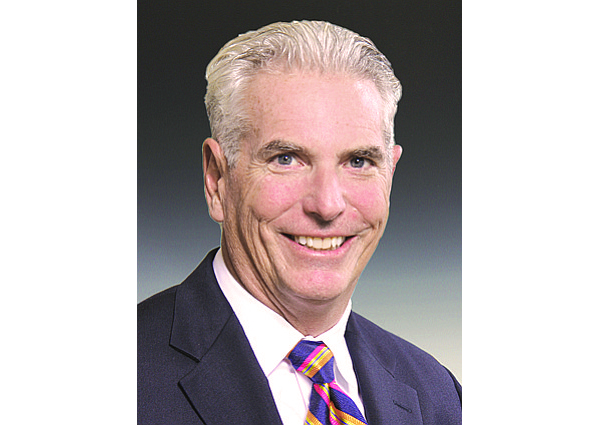
“We have substantially de-risked the balance sheet in the past year,” Bowers told analysts. “2018 is very much a rebuilding year.”
Bowers described problems such as a deposit base cost higher than peers and higher regulatory costs due to having more than $10 billion in assets. He outlined plans to cut expenses, diversify its loan portfolio and improve deposits.
The company intends to boost lending to the “mid-teens” percentage from the previous goal of more than 10%.
In one troubling sign, the bank said its long-term strategic operating target until 2020 for net interest margin, a key sign of profitability in the banking industry, would range from 3% to 3.20% from the 3.01% it reported in the fourth quarter. By comparison, Pacific Premier reported a fourth-quarter net interest margin of 4.56%.
“We recognize that the franchise as it sits today does not deliver the level of returns expected by shareholders,” Bowers said. “We believe there is a tremendous opportunity.”
When asked about a possible acquisition, Bowers said he’s open to the idea under the right circumstances, but that he’s focused on organic growth.
Let’s Make a Deal
Pacific Premier is on an acquisition tear.
Last year it acquired Heritage Oaks Bancorp and Plaza Bancorp. Once the Grandpoint acquisition is completed, Pacific Premier’s $11.7 billion in assets will triple the amount of two years ago.
The bigger amount of assets also opens the potential for Pacific Premier to consider acquiring banks of similar size.
“The merger with GPNC could lead to potential deals for banks in Phoenix, Portland or Seattle,” analyst Coffey said.
The bank has been preparing to operate on a larger scale by implementing internal controls required for banks with more than $10 billion in assets, Gardner said. When asked if the bank will continue making large acquisitions, Gardner said, “Our plans have always contemplated fairly strong growth.”
“The larger amount of assets will give us better operating leverage on a bigger capital base,” he said.
Pacific Premier expects the transaction to be immediately accretive to 2018 earnings per share and 8.6% accretive to earnings per share in 2019.
Right Timing
Grandpoint was founded in 2010 by veteran bankers Don Griffith, who is chief executive, and Deborah Marsten, who is chief operating officer. The bank grew through a series of acquisitions of community banks.
Grandpoint’s OC deposits fell 9.5% to $189.6 million as of June 30, according to the Business Journal’s list of banks, which is scheduled to be published next week.
In one sign of Gardner’s negotiating ability, the deal valued Grandpoint’s shares at $18.57, or a discount to the closing $20 price of the trading session prior to the acquisition announcement. Grandpoint is a lightly traded stock with an average daily volume of 40 shares; its shares traded at $19.95 as of Feb. 14.
About 90% of Grandpoint’s shareholders have approved the deal, Gardner said.
“They felt the time was right,” he said. “They obviously wanted to partner with a bigger institution.”