

Millennials and Gen Z are ushering in a new era of philanthropy. A recent report by payment app Zelle found that nearly 75% of millennials provided financial support to family, friends or nonprofits since the COVID-19 pandemic began—the highest rate among any generation polled.
The spirit of generosity and passion for impact among younger donors is awe-inspiring. To harness it, nonprofit organizations must welcome a new generation of highly engaged, impact-driven supporters looking for deep connections and measurable outcomes as key elements of their philanthropy.
Unlocking the full potential of next-gen philanthropists will take focused and sustained effort by nonprofits, but those who crack the code will reap the reward of gaining not just donors but co-creators and vested partners for good.
Time, Talent, Treasure and Ties
Whether volunteering time, money or both, younger donors are drawn to social causes that inspire and invite their full engagement.
Next-gens tend to integrate philanthropy into all aspects of their lives. Millennials, who were born between 1981 and 2000, are purchasing from socially conscious firms, investing in funds that support equality and environmental causes and supporting organizations promoting economic and racial justice.
Next-gen donors are also looking for hands-on engagement. They’re less interested in a routine annual donation to a cause they aren’t involved in. They prefer to be an integral part of achieving social impact, and as a result, they often develop close relationships with the organizations they choose to support.
Younger generations place a high priority on sharing knowledge, and their philanthropy is no exception. Next-gens will publicly share their experience with organizations on social media, making them valued ambassadors for nonprofits that have long struggled to get their messages out.
About 40% of millennial donors have used online giving platforms such as GoFundMe to make donations, and 25% have donated after learning about a cause on social media, according to The Future of Philanthropy: The Evolution from Charitable Giving to Charitable Living.
Impact First
Millennial and Gen Z donors want to see the direct impact of their philanthropic involvement. Organizations working with younger donors should be prepared to provide transparency in linking charitable contributions to measurable results.
They also want to understand the root causes behind complex social challenges. Next-Gen donors are well-informed and educated on the issues they’re passionate about, and they want to ensure that the organizations they’re supporting are as well.
At the Orange County Community Foundation (OCCF), we are committed to helping younger generations develop their philanthropic acumen through educational programs and initiatives like our Impact Philanthropy Group, created by young professionals and emerging leaders living and working in Orange County.
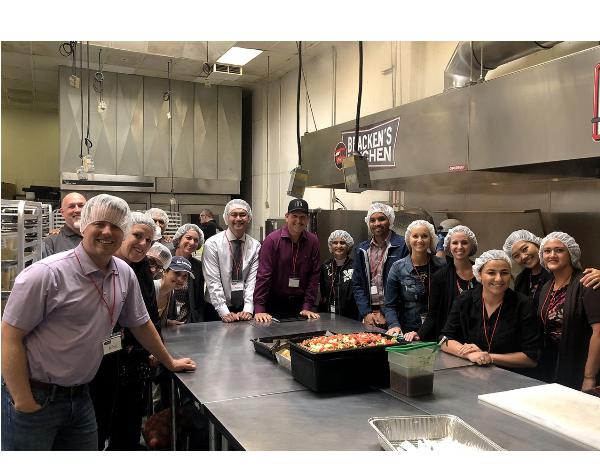
This group provides opportunities for members to meet and learn from their peers about how philanthropy can be integrated into their lives and the lives of their families. The group regularly visits nonprofit programs, meets community leaders, and expands their knowledge of issues ranging from health, education, and the environment to social enterprise. Since its inception in 2007, the Impact Philanthropy Group has awarded nearly $500,000 to support the work of 51 OC nonprofits.
Forging Their Own Path
While next-gen donors remain respectful of their families’ philanthropic legacies, they’re also eager to leave their unique mark on the world.
Many believe that it’s up to their generation to drive philanthropy to be more impactful, engaged and connected.
This proves true with Rebecca Gordon Miller, an English teacher in her early 30s who will advise on a new fund at OCCF, established when her mother Ellen Gordon seeded funds for Rebecca and her two siblings to explore their own philanthropic passions.
Rebecca shares that “the tradition of charitable giving is something we’ve grown up with and something that’s always been important to our family. Giving is always something I’ve done, but it’s empowering and humbling to think about the large-scale impact the fund can have. It’s a huge privilege to be able to be so discerning in the organizations I give to, and I am excited to use the funds to support social justice.”
Millennial and Gen Z donors bring new perspectives to philanthropy, which holds significant promise for the nonprofits who embrace them. The drive to innovate, solve real-world problems and ensure that philanthropic time and money are being put to best effect will be game-changers for nonprofit leaders seeking to accelerate the impact of their work.
Next-gen philanthropists are one of Orange County’s most valuable assets, and our community will be the better for the passion, energy, and dedication they bring to building an Orange County where all our residents can thrive.
Let’s follow their example to transform charitable giving into charitable living, for the benefit of all who call Orange County home.
Editor’s Note: Shelley Hoss is CEO and president of the Orange County Community Foundation, the second largest nonprofit based in Orange County with $120.9 million in revenue for the year ended June 30, 2020. The Business Journal’s annual OC Philanthropy publication is included as a stand-alone report in this week’s edition.
