

Microsoft Corp.’s new quest to become the Netflix of video game streaming and original content picked up steam and talent with the recent buy of two local independent studios.
Obsidian Entertainment Inc. in Irvine and InXile Entertainment Inc. in Newport Beach are the software giant’s latest acquisitions as it seeks one of the most coveted demographics in consumer electronics: gamers.
“It was important for us to find studio partners who have strong creative visions, a mastery of their medium and are expert world-builders,” Microsoft Studios Vice President Matt Booty said in a Nov. 10 blog post announcing the news.
Both companies check off those boxes, specializing in personal computer role-playing games that draw millions of players, and just as importantly, keep them engaged longer than other genres through elaborate fantasy worlds and online interactions with teammates and foes.
Autonomously
Booty said that under the agreement, both studios will operate autonomously with little to no disruption to their local workforces and operations. In return, the studios gain a juggernaut in gaming, in addition to financial muscle, marketing and customer growth.
InXile Entertainment was founded in 2002 by developer Brian Fargo, who founded one of the first gaming companies, Interplay Productions, in 1983. Fargo’s been involved in games including “Star Trek” and “Lord of the Rings.”
He directed “Wasteland,” which was published in 1988 by Electronics Arts Inc. and went on to spawn a franchise, selling more than 400,000 copies, a volume considered a major success at the time.
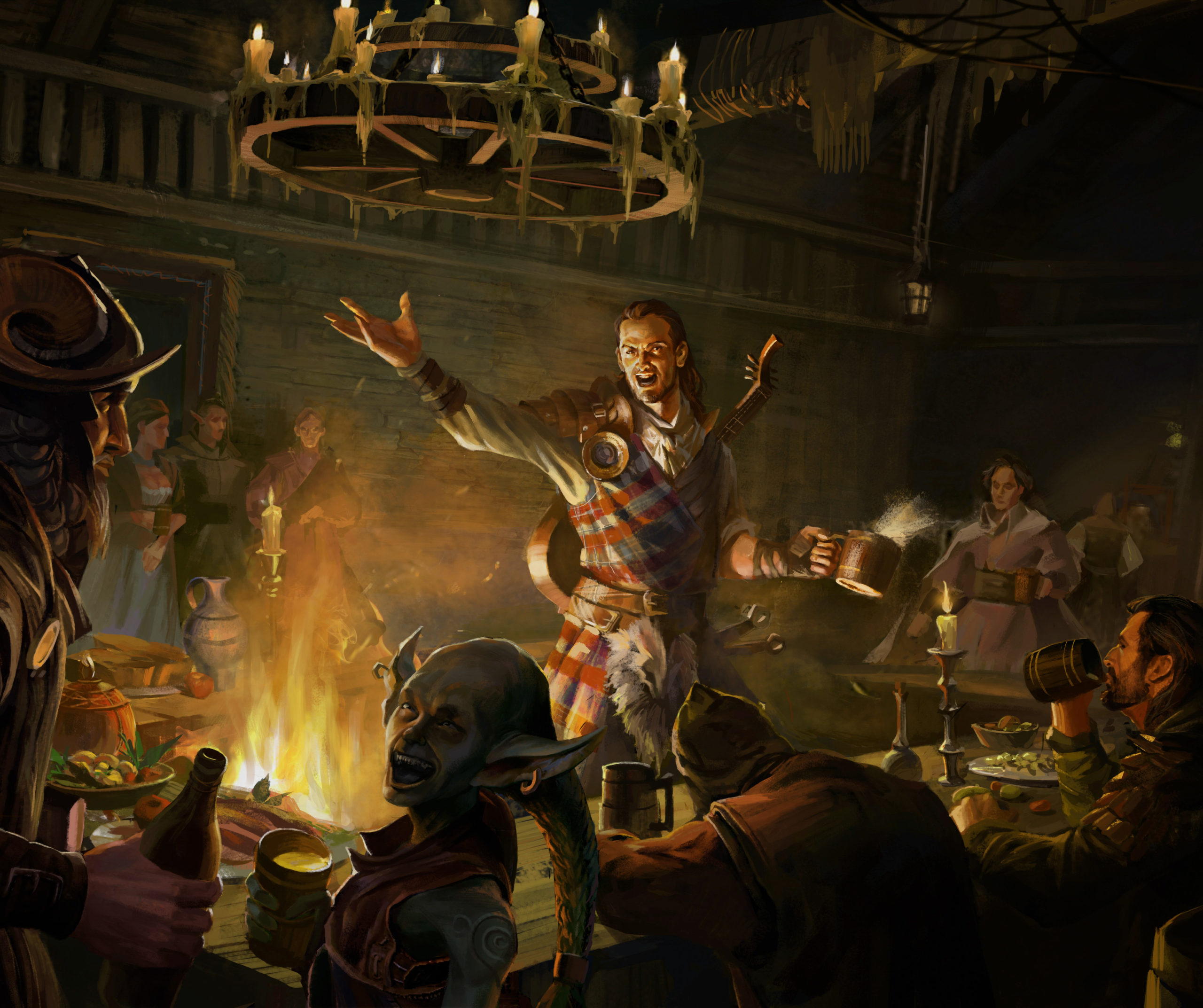
InXile has developed popular titles “Wasteland 2, Torment: Tides of Numenera” and “Bard’s Tale IV.”
InXile, which employs about 75 people split between Orange County and New Orleans, hadn’t worked directly with Redmond, Wash.-based Microsoft prior to the deal.
“We need to just keep working and putting good games out,” Fargo said of Microsoft’s expectations.
InXile currently lists seven job openings on its website.
Game Changer
While financial details of the transaction were undisclosed, it’s clearly a game changer for both companies, which have struggled to attract funding over the years to finance game development and staff operations.
“Wasteland 2” took Fargo more than a decade to get off the ground, and he had to raise nearly $3 million from Kickstarter to do so. All in, the title cost about $6 million to develop and produce.
Top-tier titles now frequently cost $100 million, on par with blockbuster feature film releases.
Obsidian was launched in 2003 by former employees of Fargo’s Interplay, including Chris Avellone, Chris Jones, Chris Parker, Darren Monahan and Feargus Urquhart.
It created the “Pillars of Eternity” franchise, “South Park: The Stick of Truth,” and “Fallout: New Vegas.”
“It’s become harder and harder for us to make the games we want to make,” Chief Operating Officer Parker said in a video about the deal. “Finding a partner like Microsoft who can give us the financial backing and has the confidence in us to make the experiences that we want to make … is absolutely critical to doing what we want to do.”
The company had its own fallout with cofounder Avellone, who left the company and has criticized its management in public statements. Obsidian, which has kept a low profile for years, didn’t respond to inquiries.
The company currently lists eight job openings on its website, promising benefits such as a matching 401(k), complete health benefits, and a week off during the December holidays.
MSFT Juggernaut
Gaming represents Microsoft’s fourth-biggest revenue stream, increasing 14% to $10.4 billion in fiscal 2018.
The gaming unit did even better in the fiscal first quarter ended in September, when it reported sales climbed 44% to $2.7 billion. Chief Executive Satya Nadella told analysts in October that there are 2 billion gamers worldwide.
“We are investing in content, community and cloud services across every endpoint to expand usage and deepen engagement,” Nadella said on a conference call. “It’s early days, but I’m excited about our road map.”
Microsoft Studios now has 13 gaming publishers under its banner, having acquired nearly half since June, when the parent announced the acquisitions of U.K. studios Playground Games and Ninja Theory; Canadian designer Compulsion Games; and Seattle-based Undead Labs.
The developments come as Microsoft works to build its games catalogue for the Xbox console and subscription service Game Pass, and begins beta tests on the Project xCloud streaming game service that will compete against the likes of GeForce Now, PlayStation Now, Shadow and Liquid Sky.
Google recently announced a similar service, Project Steam.
“Microsoft is very focused on where we’re going with subscription models,” Fargo said. “All across the board, you’re seeing companies moving that way.”
A focus on recurring revenue led it and other business software makers over the years to ditch the old retail model of selling software out of the box with multiple licenses for annual subscriptions.
“That’s their goal, and we love being a part of it,” Fargo said.
Traditional console and PC video game publishers have been challenged in recent years by the growth and popularity of mobile titles, most notably “Fortnite,” the animated battle royale that boasted more than 78 million players through August.
Funding challenges and swings in game-play habits took their toll on Fargo over the years, and he contemplated retirement only a few years ago.
“Now that’s not going to happen,” the 55 year old said. “The fact that Microsoft would anoint us is huge. For me, it’s a renewed sense of enthusiasm.”
