

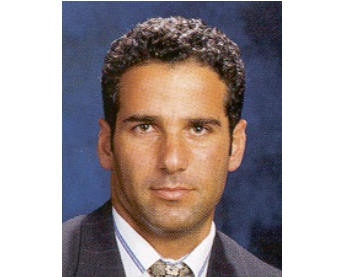
“All disease begins in the gut,” wrote Greek physician Hippocrates. There’s a lot of truth in the claim; studies have shown that the health of the gastrointestinal system impacts not only the entire body, but also brain and emotional health.
Irvine-based Biomerica Inc. is aggressively pursuing the gastrointestinal market, focused on getting regulatory clearance for InFoods IBS, a diagnostic test targeting irritable bowel syndrome. The intestinal disorder causes pain in the stomach, gas, and diarrhea or constipation, or both.
“[InFoods] IBS is a diagnostic guided therapy that is intended to identify patient-specific foods to avoid to alleviate” irritable bowel syndrome, said Chief Executive Zack Irani. He said the current standard of care is medication, which helps address symptoms but not the root cause of the problem.
The company plans to start enrolling about 180 patients in the clinical study soon.
IBS
Biomerica is no startup. It was founded in 1971, but the pivot to the gastrointestinal market is new.
“Our goal is to really empower physicians with science that helps patients,” said Irani, adding that InFoods IBS is the first of its kind—both a diagnostic test and a therapy because it gives a treatment recommendation—with multibillion dollar potential.
“The gut is the largest organ connected to the brain,” he said. “We really believe there’s a spot where you can manage disease based on what you eat.”
The test can be performed in-office using a finger-stick blood sample with results available in about 15 minutes.
Irani said the company has identified a billable product code, which resolves the question of reimbursement prior to commercialization and provides new incremental revenue for gastrointestinal medical practices.
The company increased its research and development budget 45% to $1.1 million in the fiscal year ended May 31 “as a result of increased costs related to the possible FDA clearance of new gastrointestinal products,” according to Securities and Exchange Commission filings.
Research shows gastrointestinal health affects whole-body health, so the new area could prove lucrative.
“The area of microbiome is the next goldmine,” Irani said.
The company’s scientific advisory board is comprised of opinion leaders in irritable bowel syndrome, including board chairman Dr. Doug Drossman, Dr. Anthony Lembo and the ROME Foundation, an independent nonprofit organization that supports better diagnosis and treatment of gastrointestinal disorders. Drossman and Lembo were the principal investigators on Linzess, a prescription medication used to treat irritable bowel syndrome with constipation. The drug is marketed in the U.S. by Allergan PLC (NYSE: AGN), which has sizable operations in Irvine, and Ironwood Pharmaceuticals (Nasdaq: IRWD).
Long Runway
Biomerica was started by Irani’s uncle Joseph Irani and his partner Ish Sultanian, at a time when “diagnostic technology was new and all exciting like biotechnology of today,” Irani said. The company was a small, diversified healthcare company that also owned other assets, such as orthodontic offices.
When Irani became chairman of the board and chief executive in 1997 when his uncle died—the other founder died earlier—Irani helped the company get rid of noncore assets to eventually focus on diagnostic tests.
But that was pre-IBS. Since Biomerica outlined its new product strategy, it formed a strategic board in 2016, appointing Edward “Ned” Barnholt and Mark Sirgo as members. Barnholt is chairman of global capital equipment company KLA-Tencor Corp. and serves on the board of directors of eBay Inc. and Adobe; Sirgo was involved in the sale of stomach drugmaker Salix Pharmaceuticals to Valeant Pharmaceuticals International Inc. (NYSE: VRX) in 2015 for more than $10 billion.
That year Bioamerica uplisted its stock from over-the-counter to Nasdaq.
This month it added Harry Leider to its strategic board. He was most recently chief medical officer and group vice president of Walgreens.
Irani’s background is in commercial real estate. He got his MBA from the University of California-Irvine.
“The beauty of real estate is that it’s transactional. I think with healthcare it’s really about following the dollar,” Irani said, pointing out that while there’s a private-pay cash segment in healthcare, it’s very small compared to the reimbursement market. “The unique thing about InFoods IBS is that it benefits patients, physicians and payers. We are creating a new revenue stream for doctors, and if our product can help doctors treat patients more effectively, we can help payers in a very large way.”
Diagnostic Tests
The company has over 20 diagnostic products, including eight that have received FDA clearance, for the early detection and monitoring of chronic diseases and medical conditions. The company’s test kits and devices are sold in clinical laboratories, doctor’s offices and over the counter.
Irani said it’s too early to say that the company will become a pure-play gastrointestinal product maker.
Opportunities for growth in its legacy product portfolio include colorectal disease tests and gastric cancer, the latter being in clinical trials.
Biomerica’s 23,000-square-foot Irvine headquarters houses a 40-person team of administration, product development, sales and marketing, customer services and some manufacturing employees. It also operates a 10,000-square-foot manufacturing facility in Mexico. The company is hiring scientists to work in research and development.
In the U.S. alone there are more than 45 million patients with irritable bowel syndrome, who visit their doctors three times more than normal patients, according to the company. It’s the seventh-most common diagnosis made by all doctors and the most common made by gastroenterologists, according to the American Gastroenterological Association.
Companies in the irritable bowel syndrome market include Ironwood and Synergy Pharmaceuticals Inc. (Nasdaq: SGYP), whose market caps are $2.6 billion and $408 million, respectively.
