

Doctors will tell you that looking at your smartphone before going to bed is a bad move if you want a good night’s sleep.
San Clemente-based medical device company Fresca Medical thinks a phone app is actually a key step for monitoring and fixing serious issues pertaining to sleep apnea—a medical condition that causes breathing to spontaneously stop during sleep.
The company recently partnered with Houston-based software firm Galen Data to develop a patient-centric mobile app, accompanying Fresca’s products that treat obstructive sleep apnea.
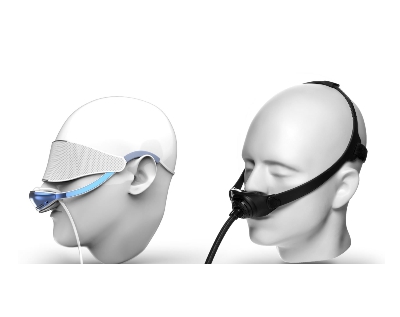
Fresca is developing a series of products touted as an improvement over the CPAP machine, currently the most common treatment for serious sleep apnea sufferers.
The biggest downside of the CPAP—which entails wearing a cumbersome mask—is the lack of continued use. Nearly half of all patients who try CPAP will abandon therapy, which translates to millions of underserved patients, Ed McCarthy, director of business development for Fresca Medical, told the Business Journal.
Fresca’s products are less obtrusive and easier to wear at night. They include a dedicated flow generator and a lightweight and ergonomic air delivery hose.
Galen Data’s cloud connected technology, in tandem with the Fresca product, pairs with a patient’s smartphone and can share sleep data with physicians, insurers, or family members.
Its platform has been approved by the FDA for medical device use. McCarthy said the partnership allows Fresca to enter the market faster than if it developed its own cloud-based platform.
Fresca spun out from Nevada-based medical device developer Intersect Partners in 2013, and received nearly $5 million of funding from a strategic partner, Hong Kong respiratory medical device company Vincent Medical, in the past few years, according to reports.
Fresca said it will be submitting its line of products to the FDA for approval soon, and expects to have it on the market next year.
It estimated the sleep apnea market to be a potential $8 billion therapeutic category, where only about 20% of sufferers have been diagnosed.
