

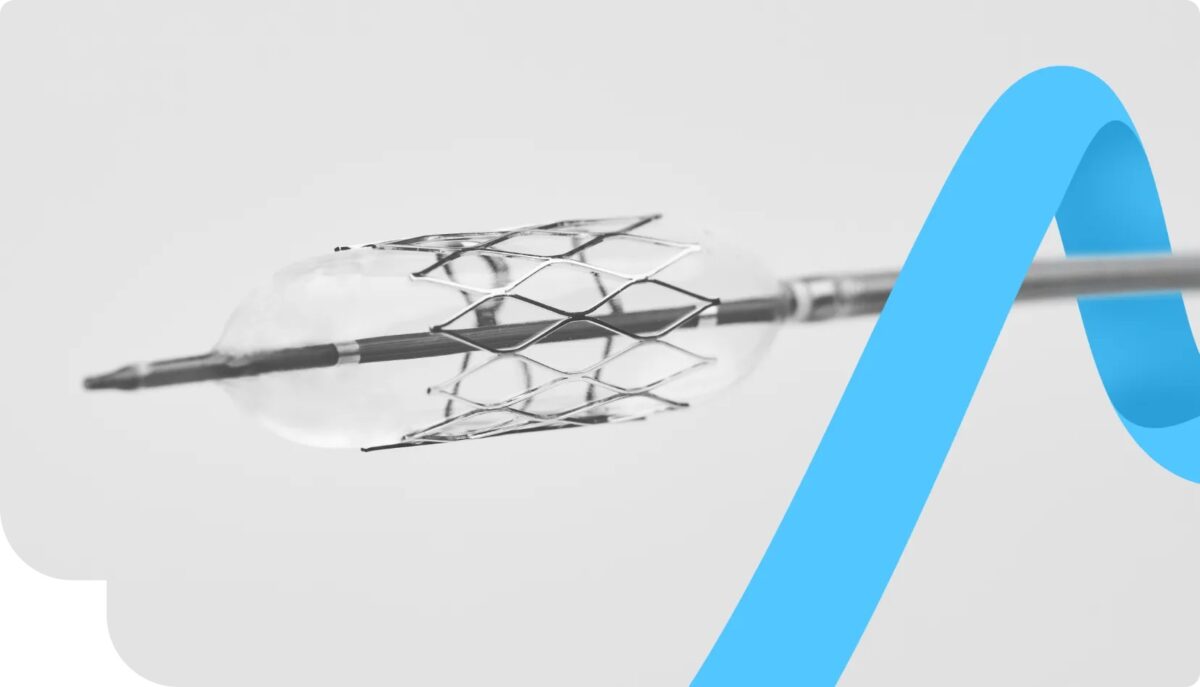
Renata Medical, focused on treating unmet pediatric needs, has secured Medicare reimbursement for its recently launched Minima Stent System.
The Centers for Medicare & Medicaid Services (CMS) granted a new technology add-on payment (NTAP) designation for the Newport Beach-based medical device company’s expandable heart valve stent. The Medicare program provides additional payments to hospitals for using new medical technologies in the inpatient setting.
It’s the latest win for the company after receiving FDA approval last fall. It began commercialization in the U.S. shortly after.
“This NTAP approval marks a major milestone for congenital heart centers and their patients,” Chief Executive Dustin Armer said in a statement.
“Minima was designed to meet the urgent need for pediatric-specific solutions in congenital heart disease, and this policy change ensures that hospitals are supported in adopting this life-saving technology.”
The stent can be reimbursed for up to $22,685 per case, according to Renata.
Coverage for fiscal 2026 goes into effect Oct. 1.
Stent Implanted in Two-Year-Old Girl With Severe Heart Defect
The Minima Stent System is the first and only FDA-approved stent specifically tailored for neonates, infants and young children.
A child is born with a congenital heart defect every 15 minutes, according to Renata. These children often need multiple surgeries to treat their condition—sometimes before their first birthday.
By having the capability to expand over the course of a child’s life into adulthood, the stent helps avoid the need for additional surgeries.
Its patented growth technology has the potential to expand up to 24 millimeters in diameter.
Two days after receiving approval, the first commercially available Minima stent was implanted in its first patient, a two-year-old girl with severe branch pulmonary artery stenosis, at Children’s Hospital Los Angeles.
“We now have a stent specifically designed to treat some of the most common congenital heart defects in our youngest patients,” Dr. Darren Berman, director of congenital interventional catheterization at the hospital, said in a statement.
Berman said the procedure went smoothly and that the patient went home the next day.
Joins Regulatory Collaboration Between U.S. and Japan
Renata was co-founded in 2019 by Armer and Eason Abbott, two former R&D engineers from Edwards Lifesciences Corp.
The two received support from executive leadership at Edwards, OC’s second largest public company, after coming up with the idea for a pediatric device.
Among its board of medical advisors is City of Hope Orange County President Annette Walker and Earl Slee, a former executive at Medtronic, one of the world’s largest medical device makers.
Renata’s most recent fundraising was a Series C round to help fund the commercialization of the Minima Stent System. Officials declined to disclose how much the company has raised to date.
“Our goal is to impact as many children as we can,” Armer previously told the Business Journal last October.
Renata is a part of a regulatory collaboration between the U.S. and Japan called the Harmonize by Doing initiative.
The collaboration aims to streamline the device approval process by overcoming regulatory barriers in both countries.
Armer said that the company is also working with European organizations.
