

Orange County hospitals have branched out into various types of clinics for a number of reasons.
Profit isn’t one of them.
Some of the clinics provide urgent care, while others are community-based efforts to serve patients who don’t have health insurance or count on relatively low-paying government programs such as Medicare and MediCal.
The trend is growing despite slim potential for profits because hospital operators “have to think of creative ways to stay in business and fulfill their mission,” said Mitch Morris, a Costa Mesa-based principal in the life science and healthcare practice of Deloitte Consulting.
Some hospitals view clinics as a way to extend their brands, divert patients from seeking pricey emergency room care and meet an overarching mission of expanding access to healthcare.
They might be loss leaders, in some cases.
“I don’t even know if they’re breaking even yet,” said Barry Arbuckle, chief executive of MemorialCare Health System, a Fountain Valley nonprofit that has opened three HealthExpress clinics in Albertsons grocery stores in the past year.
It’s a pilot program that’s testing the waters in Huntington Beach, Irvine and Mission Viejo.
Integrated Delivery
The goal of the clinics and other programs that take MemorialCare’s service beyond its hospitals is to build “an integrated delivery network,”Arbuckle said.
HealthExpress and other efforts “gives us visibility in communities that we didn’t have a presence in before,” said Marcia Manker, chief executive of Orange Coast Memorial Medical Center in Fountain Valley, part of MemorialCare.
“Let’s say that patient doesn’t have a ‘medical home.’ (A clinic) can help direct them into the most effective setting” for care, she said.
Hoag Memorial Hospital Presbyterian, which has campuses in Newport Beach and Irvine, opened three urgent care clinics this year. The first came in partnership with doctors in Tustin. It’s also opened clinics in Newport Beach and Orange, and has plans for two more.
“We identified urgent care as an opportunity to lower the cost of care,” Cynthia Perazzo, Hoag’s vice president of strategy and business development, said earlier this year.
The urgent care centers are expected to ease pressure on Hoag’s emergency department, “which is pretty busy,” Perazzo said.
Like other hospitals, Hoag does not look at urgent care as a profit center, according to Perazzo.
“It’s really about patient access and about extending quality services into the communities that we serve,” she said.
There also is a defensive aspect to the urgent care centers. Perazzo said she expects that insurers—including health maintenance organizations, perhaps—will target what they deem to be “unnecessary visits to the emergency room” in a bid to cut costs as healthcare reform takes hold.
Hoag’s urgent care accepts various insurance plans, including HMOs and Medicare, the federal health insurance program for older patients. The clinics also treat patients who pay out of their own pockets.
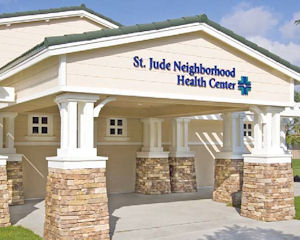
Each of the three local hospitals owned by Orange-based St. Joseph Health System—St. Joseph Hospital in Orange, St. Jude Medical Center in Fullerton and Mission Hospital in Mission Viejo—operate or are affiliated with a community clinic, said Barry Ross, the system’s vice president for healthy communities.
St. Jude also has a mobile clinic that visits sites in Placentia and Brea; neither North County city has their own fixed-site community clinic.
St. Joseph’s Orange County hospitals each set 10% of their net income to fund the clinics as part of their mission, Ross said.
“All three of the hospitals subsidize in the millions,” he said.
Seeking Status
St. Joseph is looking to gain federally qualified health-center status for its clinics, Ross said.
“For MediCal and Medicare patients, you get full (reimbursement),” he said. “It could mean, for many clinics, more than double the reimbursement.”
Besides reimbursement, Ross said other advantages include getting discounts on malpractice insurance, drugs and other supplies as well as eligibility for federal grants.
More clinics in Orange County are moving toward becoming federally qualified health centers to “leverage” federal dollars, according to Ross.
The University of California, Irvine Medical Center in Orange operates primary care clinics in Santa Ana and Anaheim “as part of our community-service mission,” said Jon Gilwee, senior director of government healthcare programs.
The clinics generally serve people who are on government programs or uninsured.
“They’re not even within the context of something you would call a revenue producer. They are part of our mission and service to the community as well as fulfilling our teaching mission,” he said.
