

Irvine-based startup drug maker AtheroNova Inc. recently started a first-stage, human clinical trial of its AHRO-001 compound in Russia in a bid to develop a treatment for atherosclerosis, or hardening of the arteries from the buildup of fat,cholesterol and other substances into plaques.
Atherosclerosis is the primary cause of various heart maladies, including heart attacks.
AHRO-001 is designed to dissolve plaques located in arterial walls. The dissolved plaques are removed through natural body processes. The compound is derived from bile salts, which are naturally found in the liver and break down fat in digestion.
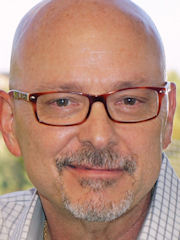
“We want to directly reduce the amount of soft vulnerable plaque in the body—so that’s what’s different about us” compared with traditional cholesterol-reducing heart drugs like statins, said Thomas Gardner, AtheroNova’s chief executive.
Cholesterol-reducing drugs can cut down or eliminate the buildup of plaque, but they do not dissolve existing deposits.
“Those bile salts are very powerful, but since they’re a natural compound, they’re probably going to have a very fine safety profile, as well,” Gardner said.
There were two initial public offerings of companies developing bile salts as drugs last year—Calabasas-based Kythera Biopharmaceuticals Inc., which raised $72.6 million; and New York-based Intercept Pharmaceuticals Inc., which raised $75 million.
Neither company would compete with AtheroNova’s AHRO-001. Kythera is concentrating on cosmetic uses, such as chin fat removal, and Intercept is treating a rare liver disease called primary biliary cirrhosis.
AtheroNova also is looking at developing therapies for other conditions that have been linked to atherosclerosis, such as stroke, peripheral artery disease, Alzheimer’s disease and other forms of dementia, and erectile dysfunction.
The company also sees the compound as being able to control cholesterol.
Timeline
AtheroNova plans to submit an investigational new drug application for AHRO-001 to the Food and Drug Administration in early 2014, according to Gardner.
Then the company plans to look for a larger partner to assist with later-stage clinical trials and development, Gardner said.
AtheroNova is 7 years old and has two full-time employees working at an office on Dupont Drive across the street from the county’s biggest drug maker, Allergan Inc., which has more than $5 billion in annual sales.
AtheroNova originally concentrated on exploratory work on bile salts to reduce plaque before introducing it to researchers at Cedars-Sinai Medical Center in Los Angeles, the UCLA Medical Center, and Cleveland Clinic, Gardner said.
“That’s when we really began to emerge from just being a think tank into being a real company,” he said.
AtheroNova went public through a reverse merger with Z&Z Medical Holdings Inc., a Nevada shell company, in 2010.
OTC
Shares now trade on the low-profile, over-the-counter Bulletin Board Exchange, with a recent market value of about $23.2 million.
Only one analyst, William Gregozeski of Brookfield, Wis.-based Mont Blanc Capital Management, follows AtheroNova. Gregozeski did not respond to requests for comment.
AtheroNova is taking steps to increase its visibility now that it has started clinical trials. It is planning to present at conferences held in coming months by investment banks such as Newport Beach-based Roth Capital Partners LLC and New York-based Oppenheimer & Co.
“We wanted to get out of the preclinical phase and into the clinical phase before we really came out of our shell,” Gardner said. The company is prerevenue and does not “expect to have revenues relating to our products in the foreseeable future, if at all,” it said in its annual report filed with the Securities and Exchange Commission.
It lost $2.6 million in 2012 and “believes we will continue to incur net losses through at least December 31, 2013,” the company said in its SEC filing.
