

The pandemic is being felt in Orange County’s real estate sector, with lower transaction volume and construction starts as a result of ongoing market uncertainty, partially due to wary lenders.
One of Orange County’s largest banks sees the stalled market as an opportunity.
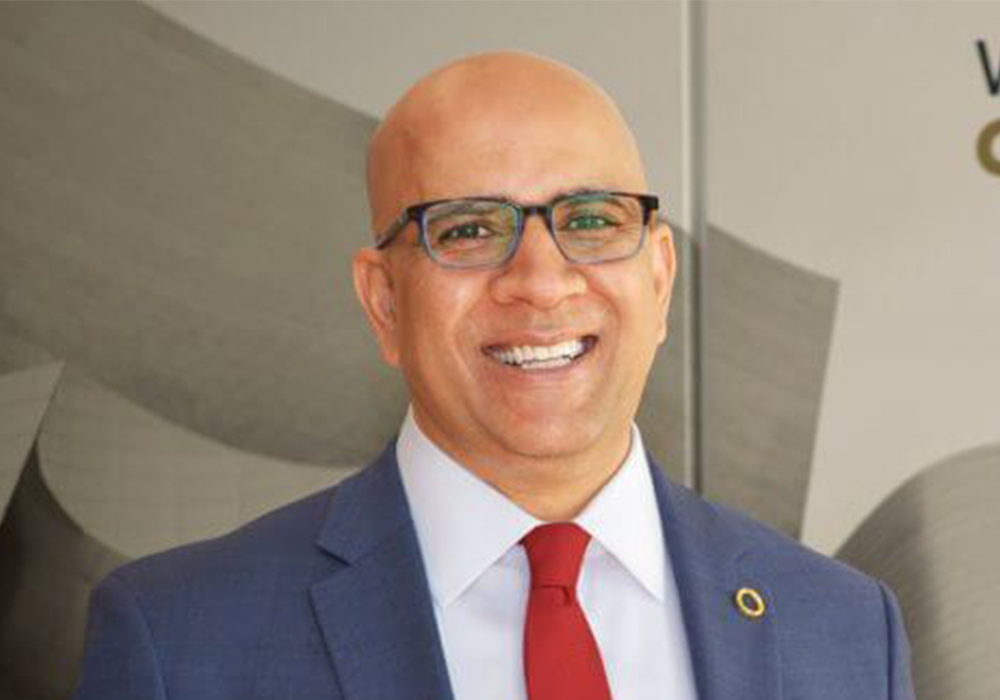
Santa Ana-based Banc of California (NYSE: BANC) is “not pulling away from deals and continues to finance across the commercial real estate spectrum,” despite ongoing deferral issues from some of its clients, said Hamid Hussain, president of the bank’s real estate and commercial banking entities.
The $700 million-valued bank (NYSE: BANC), the second largest by assets based in OC, views recent market metrics as more attractive than that of 2019, and is looking to take advantage of a limited financing pool.
Last month, it had $180 million in letters of intent for new deals, which is “up significantly from the year prior,” Hussain said.
Strong Deals, Strong Borrowers
“Last year, we scratched our heads at a lot of the deals getting done,” Hussain said. “We were very cautious on the types of deals we did.”
Now, the market has come back to the company, with more attractive pricing and conservative deal structures.
“As a result, competitors that were previously doing more risky deals have pulled away from the market, making us one of the few games in town when it comes to financing deals.”
It has found itself fielding a high volume of requests from borrowers that also found themselves in a strong position heading into the pandemic.
“They, like us, preserved their liquidity, and they view this situation as an opportunity,” said Hussain, who was previously an executive vice president for real estate at Wells Fargo, where he led a national team of senior banking professionals, setting sales and marketing strategy and overseeing risk oversight.
Last year, he jumped to previously troubled Banc of California after it hired veteran banker Jared Wolff as its new chief executive.
Multifamily, Industrial
Real estate comprises about 75% of Banc of California’s lending base, with a bulk of the company’s commercial activity is in the multifamily sector.
Multifamily projects continue to be active as a result of supply and demand in Southern California, Hussain notes. The firm typically invests in smaller apartment projects priced under $15 million, mostly through permanent financing deals.
Banc of California is also bullish on industrial, a sector driven by e-commerce growth, while it maintains a healthy dose of skepticism for the office and hospitality sectors.
The company, which offers financing through each lending stage, has seen a jump in demand for more temporary financing deals as borrowers look to stabilize value-add investments.
“There’s more demand for bridge financing, specifically from borrowers that had prepared for an event like this and are looking to acquire opportunities that have come about in the pandemic,” Hussain said.
Some clients weren’t prepared for the downturn. It ended the last quarter with deferments, which typically lasted 90 days, on $604 million of loans. That’s 11% of the bank’s $5.6 billion loan portfolio. For the June 30 quarter, it also boosted its Current Expected Credit Losses to $27.6 million, up from $15 million at the end of March.
Hussain expects the market’s recovery to be a gradual one, though Banc of California is expected to remain active in the local commercial sector.
“The market has become more normalized, and it has given us opportunities to work with borrowers as we find ourselves in a very strong capital base,” Hussain said. “I’m optimistic on the bank’s growth this year and into the next.”
