Turion Space has taken two major leaps in its extraterrestrial quest that could help defend the U.S. and its allies in possible conflicts far from Earth.
The company was one of 14 firms selected to compete for contracts in the Pentagon’s $1.8 billion Andromeda program to monitor orbiting spacecraft, especially those of U.S. adversaries. Turion has also received more than $75 million in a Series B financing round.
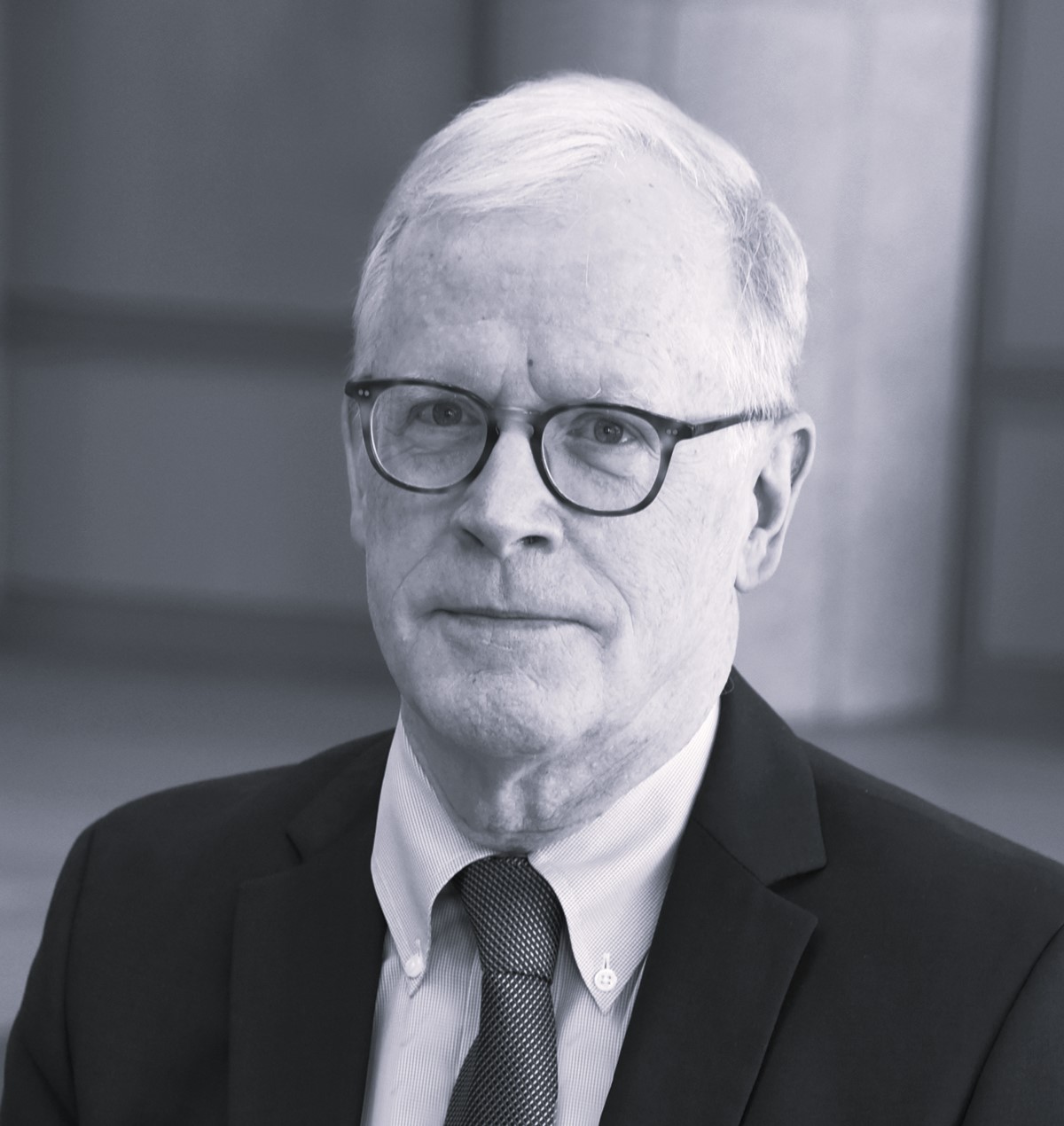
The goal is “ensuring American space superiority,” company CEO Ryan Westerdahl told the Business Journal on April 13.
The Pentagon’s selection of Turion puts the 5-year-old company in the same competition group as fellow OC defense startup Anduril Industries in Costa Mesa and powerhouses such as Lockheed Martin and L3Harris Technologies.
Military, Intelligence Spacecraft
The Pentagon’s Space Force program is designed to detect threats from orbiting military and intelligence-community spacecraft. Work on the contracts will last through 2036, the Defense Department said on April 8.
While the prospect of a military struggle in outer space is scary, experts say it is an eventual possibility, making surveillance a key function.
“We’re talking about combat in space and all this stuff,” Westerdahl says. “This is kind of that first step before you are engaging in any sort of space combat. You first need to be able to surveil and identify and characterize the capabilities of adversaries. That’s really our main focus.”
The objective is to monitor the growing number of satellites in geosynchronous orbit — those that travel above a fixed point on Earth at an altitude of about 22,200 miles in what is often referred to as the GEO belt.
‘Battlespace Awareness’ for Warfighters
Space Force Colonel Bryon McClain, head of the Space Combat Power unit, said April 14 the surveillance and reconnaissance program “enables us to achieve predictive battlespace awareness, providing our warfighters with the information they need to deter aggression and protect our assets in the increasingly contested GEO belt.”
The goal is to build a space infrastructure including “constellations of satellites,” using the company’s Starfire software operating system, which will include the mission control system for satellite operations and mission planning.
“Space Force is our most important customer,” says Westerdahl. He says the company doesn’t disclose the names of other customers.
Asteroid Mining a Goal
Turion also sees commercial benefits to its development program, as more businesses have links to outer space.
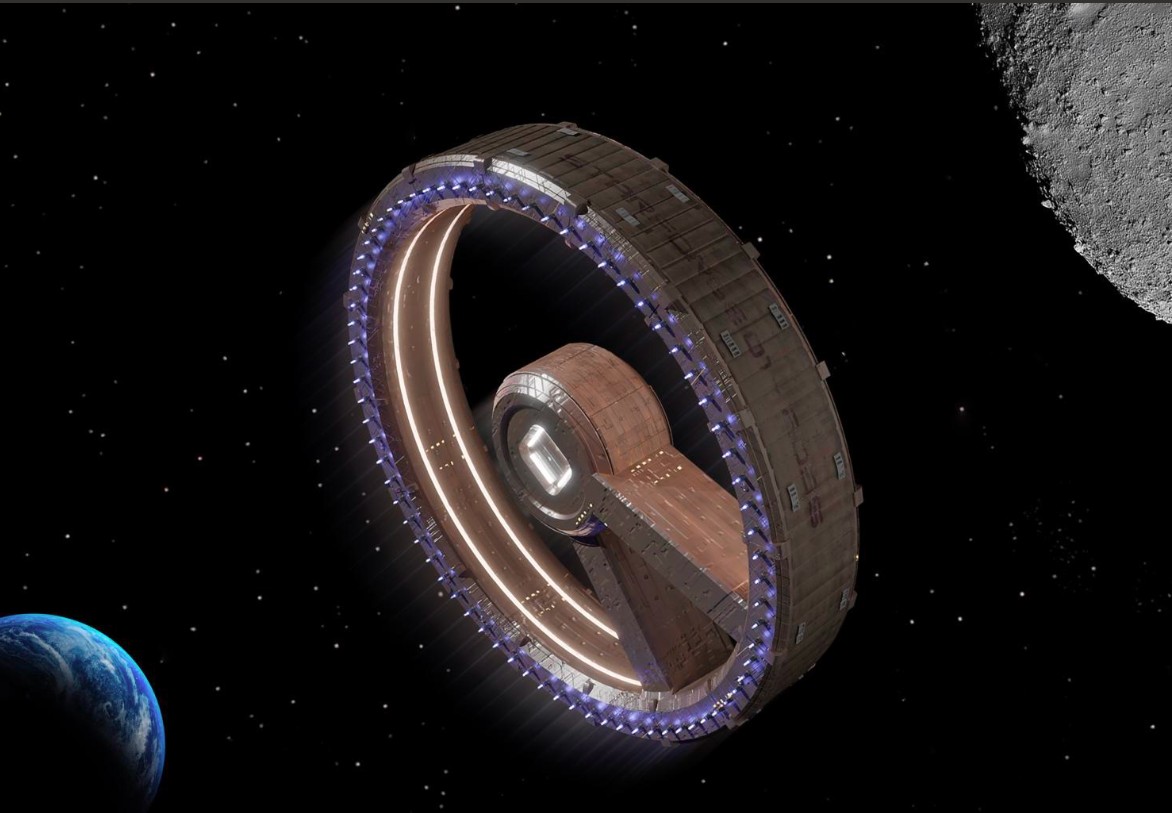
The Turion CEO says the company’s cutting-edge development work eventually will lead to mining asteroids for valuable metals such as platinum and other materials (see story, this page).
Westerdahl said the Series B round brings the company’s total funding to $81.7 million.
Its first two satellite missions — DROID .001 and DROID.002 — were both operational successes and have delivered over 40,000 images to date.
The company says the latest financing, announced April 15, will enable “increased manufacturing throughput and supply-chain depth to take spacecraft production capacity from eight vehicles per year to a target of 40, increasing annual production capacity five-fold.”
‘Purpose-Built Satellites’
The funding round was led by Washington Harbour Partners.
The latest financing also features pro-rata participation from existing investors including Aurelia Foundry, Forward Deployed VC and FoundersX Ventures. Turion also added new capital partners, including Center15 Capital, Magnetar, HOF Capital and Industrious Ventures, with the raise.
To date, Turion has been awarded 28 U.S. government contracts and is advancing multiple efforts spanning NASA, the U.S. Space Force, Space Development Agency and the National Reconnaissance Office.
The company currently has 200 employees and expects to reach 300 by the end of the year, according to Westerdahl. Almost all employees are in Irvine.
Turion’s plan to clean up the more than 1 million items of abandoned and dangerous orbiting debris first brought Turion to experts’ attention. Westerdahl, says the clean-up remains one of the company’s goals.
Asteroid Mining is Turion’s Long-Term Goal
Turion Space has plenty of aims ahead, keeping track of bad actors’ satellites in space, intelligence gathering, and even cleaning up abandoned objects orbiting the globe.
Turion CEO Ryan Westerdahl emphasizes that the firm’s long-term goal is to mine asteroids for precious, metals, such as platinum, and other materials.
While there are plenty of skeptics about the mining plan, Westerdahl says, “I don’t think it’s that crazy.’’ He calls it “a market of truly epic proportions.”
“The amount of material in asteroids is without a doubt worth going after.”
Other companies looking to mine asteroids include Huntington Beach-based AstroForge.